Introduction
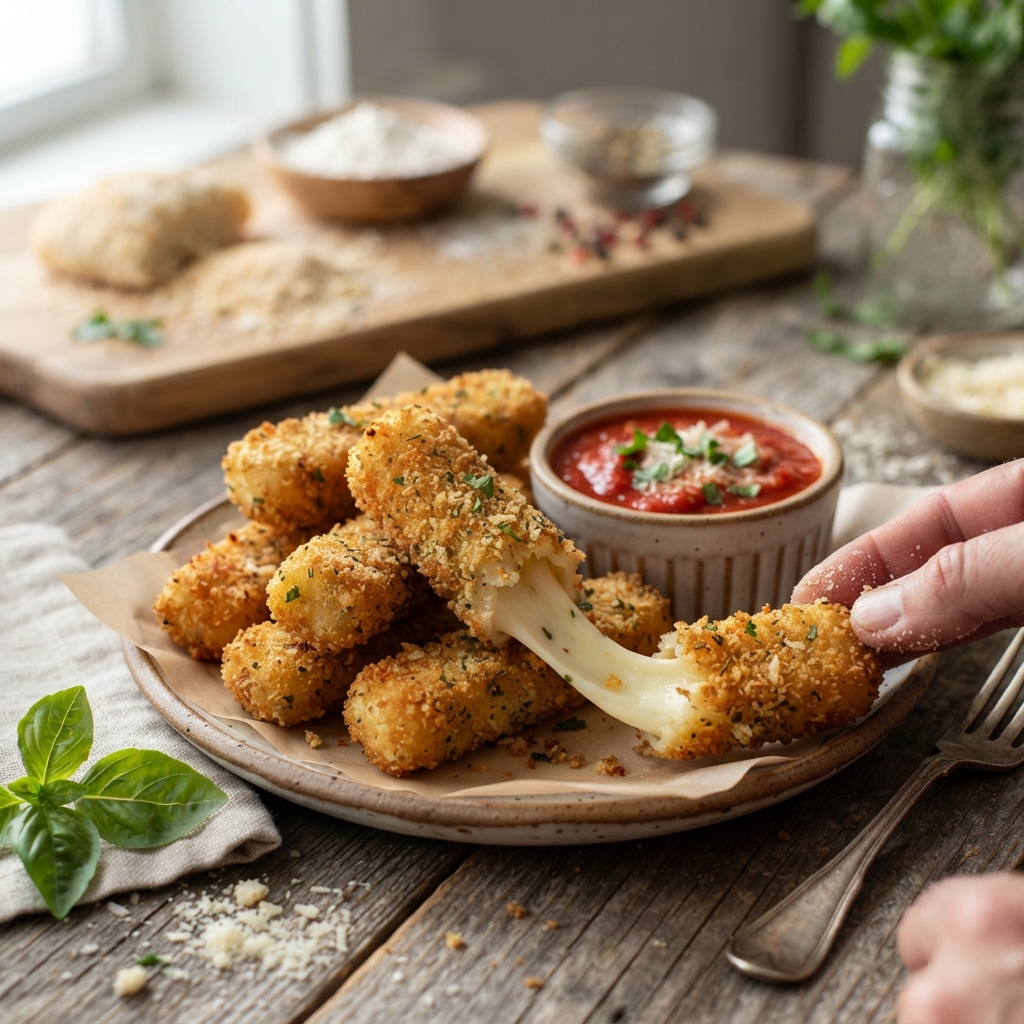
There are few appetizers in the culinary world that command universal affection quite like the crispy homemade mozzarella stick. It is a textural masterpiece, a golden-brown armored cylinder protecting a warm, molten core of cheese that stretches endlessly upon the first pull. Whether served as a starter at a family gathering, a late-night snack after a long week, or the star attraction at a game-day party, mozzarella sticks represent the perfect intersection of comfort and indulgence. While frozen versions abound in grocery store freezers, nothing compares to the superior taste, texture, and satisfaction of making them from scratch in your own kitchen. This guide will walk you through every aspect of creating the ultimate mozzarella stick, ensuring that every bite is crunchy on the outside and gooey on the inside, without the dreaded cheese leakage that plagues amateur attempts.
The History
The origins of fried cheese are deeply rooted in Italian culinary tradition, though the specific incarnation of the “mozzarella stick” is largely an American innovation. In Italy, fried cheese dishes such as mozzarella in carrozza (mozzarella in a carriage) have existed for centuries, typically involving cheese sandwiched between bread, dipped in egg, and fried. However, the concept of breading sticks of low-moisture mozzarella and deep-frying them until golden became popular in the United States during the mid-20th century.
As Italian-American cuisine evolved in the 1950s and 1960s, pizzerias and red-sauce joints began looking for affordable, crowd-pleasing appetizers to serve while customers waited for their main courses. The mozzarella stick fit the bill perfectly. It utilized inexpensive ingredients, could be prepped in advance, and offered a high reward-to-effort ratio. By the 1970s and 1980s, the mozzarella stick had cemented its place as a staple of American casual dining, eventually transitioning into home kitchens and frozen food aisles. Today, it stands as a iconic symbol of comfort food, bridging the gap between traditional Italian frying techniques and modern American snacking culture.
Ingredients Breakdown
Understanding the chemistry behind each component is the key to mastering this recipe. You cannot simply substitute any cheese or any breadcrumb and expect the same results.
The Cheese
The most critical element is the mozzarella itself. You must use low-moisture, whole milk mozzarella. Fresh mozzarella stored in water contains too much liquid; when heated, it releases water rather than melting smoothly, leading to soggy breading and explosive leaks. Low-moisture blocks are aged slightly to remove water, ensuring a tight melt that stretches without running too quickly.
The Breading Station
A standard breading procedure involves three stages: flour, egg wash, and breadcrumbs. The flour provides a dry surface for the egg to adhere to. The egg acts as the glue. The breadcrumbs provide the crunch. For extra crispiness, many chefs recommend using Panko breadcrumbs rather than standard fine breadcrumbs. Panko is made from crustless bread and is coarser, allowing for better air circulation during frying and a lighter, crunchier texture.
The Oil
You need an oil with a high smoke point. Vegetable oil, canola oil, or peanut oil are ideal choices. They can withstand the necessary frying temperature of 350°F to 375°F (175°C to 190°C) without burning or imparting a bitter taste to the cheese.
Seasonings
Plain breadcrumbs can be bland. Incorporating dried herbs such as oregano, basil, or parsley, along with garlic powder and onion powder, into the breadcrumb mixture ensures that the coating itself is flavorful, not just the cheese inside.
Step-by-Step Recipe Narrative
Preparing mozzarella sticks is a process of patience and temperature control. Begin by cutting your block of low-moisture mozzarella into uniform sticks, roughly half an inch thick and three inches long. Uniformity is vital; if some sticks are thicker than others, they will cook at different rates, leading to some being undercooked while others burn. Once cut, place the cheese sticks on a baking sheet and put them in the freezer for at least 30 minutes. This step is non-negotiable. You want the cheese to be semi-frozen when it hits the hot oil so that the breading has time to crisp up before the cheese fully melts and escapes.
While the cheese chills, set up your breading station. You will need three shallow bowls. The first contains all-purpose flour seasoned with salt and pepper. The second contains beaten eggs, sometimes mixed with a tablespoon of water or milk to loosen the consistency. The third contains your seasoned breadcrumbs or Panko. Take each frozen stick, dredge it in the flour, shake off the excess, dip it thoroughly in the egg, and finally roll it in the breadcrumbs. For maximum security against leakage, many cooks recommend a double coating. This means dipping the breaded stick back into the egg and then back into the breadcrumbs a second time. This creates a thicker barrier that is less likely to crack during frying.
Once breaded, return the sticks to the freezer for another 15 to 30 minutes. This sets the breading. Meanwhile, heat your oil in a heavy-bottomed pot or deep fryer. Use a thermometer to monitor the temperature carefully. If the oil is too cool, the sticks will absorb grease and become soggy. If it is too hot, the outside will burn before the inside melts. Fry the sticks in small batches to avoid overcrowding, which drops the oil temperature. Fry until golden brown, usually about 60 to 90 seconds. Remove them with a slotted spoon and drain on a wire rack rather than paper towels to keep the bottom crisp. Serve immediately with marinara sauce.
Tips for Perfect Mozzarella Sticks
- Freeze Twice: Freezing before breading helps cut the cheese, and freezing after breading sets the coating. Do not skip this.
- Oil Temperature: Invest in a candy or deep-fry thermometer. Guessing the temperature is the most common cause of failure.
- Don’t Overcrowd: Adding too many sticks at once lowers the oil temperature drastically, resulting in greasy food.
- Seal the Ends: When breading, pay extra attention to the cut ends of the cheese sticks. These are the weak points where cheese usually leaks out.
- Use a Wire Rack: Drain fried foods on a wire rack over a baking sheet. Paper towels can trap steam and make the bottom of the breading soggy.
- Serve Immediately: Mozzarella sticks have a very short window of perfection. As they cool, the cheese hardens and the breading loses its crunch.
Variations and Customizations
While the classic marinara dip is traditional, there are countless ways to customize this recipe to suit different palates and dietary needs.
Flavor Infusions
You can mix grated Parmesan cheese into your breadcrumb mixture for a sharper, saltier kick. Adding crushed red pepper flakes to the flour or breadcrumbs creates a spicy version that pairs well with ranch dressing. For an herbaceous twist, mix finely chopped fresh parsley or basil into the egg wash.
Alternative Cheeses
While mozzarella is king, you can experiment with other melt-friendly cheeses. Provolone offers a sharper taste, while Monterey Jack provides a buttery melt. Some enthusiasts even mix cubes of cheddar inside the mozzarella for a color contrast, though this increases the risk of leaking.
Cooking Methods
Air Fryer: For a healthier version, you can air fry breaded sticks at 400°F for about 6-8 minutes, spraying them lightly with oil spray. They will be slightly less gooey but still delicious.
Oven Baking: Bake at 400°F on a greased baking sheet for 8-10 minutes. This method requires less oil but may not achieve the same level of golden crispiness as deep frying.
Dipping Sauces
Beyond marinara, consider serving with garlic aioli, spicy ranch, honey mustard, or even a balsamic glaze reduction for a gourmet touch.
Health Considerations and Nutritional Value
It is important to acknowledge that mozzarella sticks are an indulgent treat rather than a health food. They are calorie-dense due to the combination of cheese fat and the oil absorbed during frying. A typical serving of 4 to 5 sticks can range from 400 to 600 calories, depending on size and cooking method. They are high in saturated fats and sodium, particularly if paired with store-bought marinara sauce.
However, they do offer some nutritional benefits. Mozzarella cheese is a good source of protein and calcium, which are essential for muscle repair and bone health. To make the dish slightly healthier, you can opt for part-skim mozzarella, which reduces the fat content without sacrificing too much meltability. Using an air fryer significantly reduces the amount of added fat compared to deep frying. Portion control is key; enjoying a small serving as part of a balanced meal rather than eating them exclusively can help mitigate the nutritional downsides.
Ingredients
- 1 pound low-moisture, whole milk mozzarella cheese block
- 1 cup all-purpose flour
- 1 teaspoon salt (divided)
- 1 teaspoon black pepper (divided)
- 3 large eggs, beaten
- 1 tablespoon water or milk
- 2 cups Italian seasoned breadcrumbs or Panko
- 1 teaspoon garlic powder
- 1 teaspoon dried oregano
- 1 quart vegetable, canola, or peanut oil for frying
- Marinara sauce, for serving
Directions
- Prep the Cheese: Cut the block of mozzarella into sticks approximately ½ inch thick and 3 inches long. Place them on a parchment-lined baking sheet and freeze for at least 30 minutes.
- Prepare Breading Station: Set up three shallow bowls. In the first, mix flour with ½ teaspoon salt and ½ teaspoon pepper. In the second, whisk together eggs and water. In the third, combine breadcrumbs, garlic powder, oregano, and remaining salt and pepper.
- Coat the Cheese: Remove cheese from the freezer. Dredge each stick in flour, dip in egg, and roll in breadcrumbs. For extra protection, dip back into the egg and breadcrumbs a second time.
- Freeze Again: Place the breaded sticks back on the baking sheet and freeze for another 15 to 30 minutes to set the coating.
- Heat Oil: In a heavy pot or deep fryer, heat oil to 365°F (185°C). Use a thermometer to monitor the heat.
- Fry: Carefully lower 3 to 5 sticks into the hot oil at a time. Fry for 60 to 90 seconds until golden brown. Do not overcrowd the pot.
- Drain and Serve: Remove with a slotted spoon and drain on a wire rack. Serve immediately while hot with warm marinara sauce.
FAQ
Why did my cheese leak out during frying?
This usually happens if the cheese wasn’t frozen long enough, the oil temperature was too high, or the breading coating was too thin. Ensure you double-coat and freeze the breaded sticks before frying.
Can I make these ahead of time?
Yes. You can bread the sticks and freeze them on a baking sheet. Once frozen solid, transfer them to a freezer bag. They can be stored for up to 3 months. Fry them directly from frozen, adding an extra 30 seconds to the cooking time.
What oil is best for frying?
Use neutral oils with high smoke points like canola, vegetable, or peanut oil. Avoid olive oil as it burns at high temperatures and has a strong flavor.
Can I use fresh mozzarella?
It is not recommended. Fresh mozzarella has too much water content and will not hold its shape well during frying. Stick to low-moisture blocks.
How do I reheat leftovers?
Mozzarella sticks are best fresh, but leftovers can be reheated in an air fryer or oven at 350°F for a few minutes. Microwaving will make them rubbery and soggy.
Summary
Crispy homemade mozzarella sticks offer a golden, crunchy exterior protecting a warm, stretchy cheese center when prepared with low-moisture mozzarella and a double-breading technique.
Freeze the cheese before and after breading, fry at 365°F for 90 seconds, and serve immediately with marinara for the perfect appetizer experience.