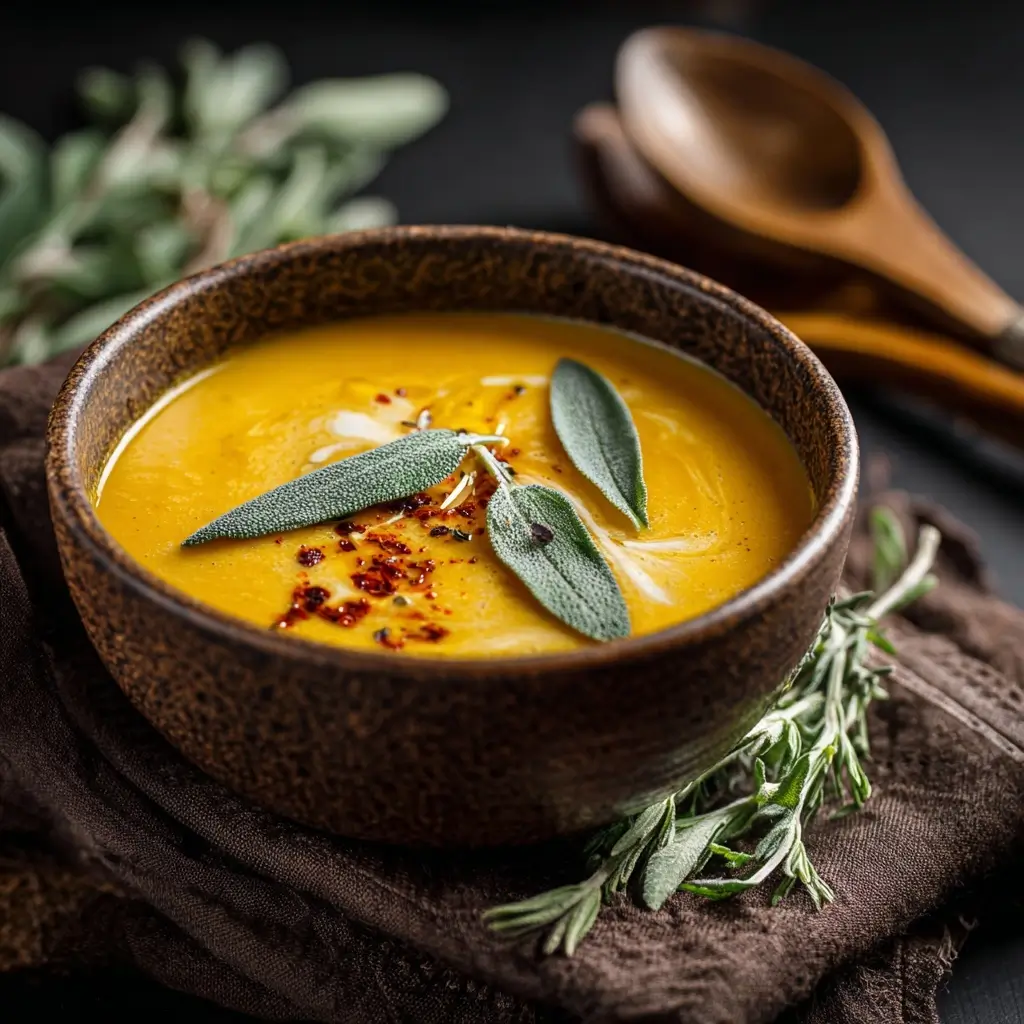
Velvety Pumpkin Sage Soup: A Comforting Culinary Delight
The History
The origins of pumpkin soup can be traced back to the indigenous peoples of North and Central America, who cultivated pumpkins as a vital food source thousands of years ago. These early civilizations recognized the versatility and nutritional value of pumpkins, often preparing them in stews or soups using local herbs and available ingredients. When European explorers arrived in the Americas during the 15th and 16th centuries, they brought pumpkins back to Europe, where the gourd was gradually incorporated into regional cuisines.
Over time, pumpkin evolved from a rustic peasant dish to a celebrated fall and winter staple across continents. In Italy, sage became a beloved herb used in butter-based sauces and autumnal recipes, eventually pairing beautifully with creamy pumpkin preparations. The combination of pumpkin and sage gained popularity in Northern Italian cooking, particularly in regions like Lombardy and Veneto, where rich, comforting dishes are cherished during colder months. Today, Velvety Pumpkin Sage Soup stands as a harmonious fusion of New World produce and Old World culinary finesse—a testament to global gastronomic exchange.
Ingredients Breakdown
Creating the perfect Velvety Pumpkin Sage Soup begins with understanding each component and its role in building flavor, texture, and aroma:
- Fresh Pumpkin (or Butternut Squash): Provides natural sweetness, vibrant color, and a creamy base when blended. Look for sugar pumpkins or pie pumpkins rather than large carving varieties, which tend to be watery and less flavorful.
- Fresh Sage: Offers an earthy, slightly peppery aroma that complements the pumpkin’s sweetness. Fresh leaves are essential—dried sage lacks the bright, herbal complexity needed for this recipe.
- Onion and Garlic: Form the aromatic foundation of the soup, adding depth and savory umami notes when sautéed.
- Vegetable or Chicken Stock: Enhances body and richness; homemade stock is ideal, but high-quality store-bought works well too.
- Heavy Cream or Coconut Milk: Adds luxurious creaminess. For a dairy-free version, full-fat coconut milk delivers a similarly velvety texture with a subtle tropical undertone.
- Olive Oil or Butter: Used for sautéing; butter enhances richness, while olive oil adds a lighter, fruitier note.
- Spices (Nutmeg, Cinnamon, Salt, and Pepper): Warm spices elevate the soup’s profile—nutmeg especially pairs exquisitely with sage and pumpkin.
- Optional Garnishes: Toasted pumpkin seeds, croutons, crispy sage leaves, grated Parmesan, or a drizzle of balsamic reduction can elevate presentation and taste.
Step-by-Step Recipe
- Prepare the Pumpkin: Preheat your oven to 400°F (200°C). Cut a small sugar pumpkin in half, remove the seeds and stringy pulp, and place the halves cut-side down on a parchment-lined baking sheet. Roast for 45–50 minutes until tender when pierced with a fork. Alternatively, use pre-cubed butternut squash and roast or boil until soft.
- Sauté the Aromatics: While the pumpkin roasts, heat 2 tablespoons of olive oil or butter in a large pot over medium heat. Add 1 chopped yellow onion and cook slowly for 8–10 minutes until translucent and golden. Stir in 3 minced garlic cloves and cook for another minute until fragrant.
- Add Herbs and Spices: Tear 8–10 fresh sage leaves into small pieces and add them to the pot. Cook for 1–2 minutes to release their essential oils. Sprinkle in ¼ teaspoon ground nutmeg, a pinch of cinnamon, and season with salt and black pepper.
- Incorporate the Pumpkin: Scoop the roasted pumpkin flesh into the pot, discarding the skin. Stir to combine with the aromatics. Pour in 4 cups of vegetable or chicken stock, bring to a gentle simmer, and let cook for 15–20 minutes to meld the flavors.
- Blend Until Smooth: Using an immersion blender, puree the soup directly in the pot until completely smooth. For an ultra-silky texture, transfer in batches to a high-speed countertop blender and blend until velvety. Return to the pot if necessary.
- Add Cream and Adjust Seasoning: Stir in ½ cup heavy cream or coconut milk. Taste and adjust seasoning—add more salt, pepper, or a touch of maple syrup if desired to balance the earthiness. Keep warm over low heat without boiling.
- Prepare Garnishes: In a small skillet, melt 1 tablespoon butter over medium heat. Add a handful of sage leaves and fry for 30–60 seconds until crisp and aromatic. Remove and drain on paper towels. Optionally, toast pumpkin seeds with a little oil and salt.
- Serve: Ladle the hot soup into warmed bowls. Drizzle with cream, sprinkle with crispy sage, toasted seeds, or Parmesan, and serve immediately with crusty bread or a side salad.
Tips
- Roasting vs. Boiling Pumpkin: Roasting intensifies the pumpkin’s natural sugars through caramelization, resulting in a deeper, richer flavor compared to boiling.
- Avoid Overcooking Sage: Add fresh sage early for infused flavor, but reserve a few leaves for frying at the end to preserve their vibrant aroma and visual appeal.
- Texture Control: For an even silkier consistency, strain the blended soup through a fine-mesh sieve to remove any fibrous bits.
- Balancing Flavors: If the soup tastes too earthy, a small amount of maple syrup or honey can enhance sweetness. If too sweet, a splash of apple cider vinegar or lemon juice adds brightness.
- Make Ahead: This soup reheats beautifully. Store in an airtight container in the refrigerator for up to 4 days or freeze for up to 3 months. Reheat gently to prevent curdling if dairy is used.
- Immersion Blender Safety: Ensure the soup has cooled slightly before blending, and tilt the pot to avoid splashing. Never fill a countertop blender more than halfway with hot liquid.
Variations and Customizations
The beauty of Velvety Pumpkin Sage Soup lies in its adaptability. Here are some creative twists to suit different tastes and dietary needs:
- Vegan Version: Substitute butter with olive oil, use vegetable broth, and replace heavy cream with coconut milk or cashew cream for a rich, plant-based alternative.
- Spicy Kick: Add a pinch of red pepper flakes or a dash of cayenne pepper during sautéing for a warming contrast to the sweetness.
- Apple-Infused: Sauté diced apples with the onions for added fruitiness and complexity—Honeycrisp or Granny Smith work well.
- Cheesy Twist: Stir in grated Gruyère, sharp cheddar, or smoked cheese at the end for a decadent, indulgent variation.
- Protein Boost: Top with grilled chicken, crispy pancetta, or white beans to transform the soup into a heartier meal.
- Herb Swaps: While sage is traditional, rosemary, thyme, or even a hint of tarragon can offer intriguing flavor profiles.
- Smoky Flavor: Add a small piece of smoked paprika or a few drops of liquid smoke for a campfire-inspired twist.
- Gluten-Free Friendly: Naturally gluten-free, just ensure all broth and additives are certified GF if needed.
Health Considerations and Nutritional Value
Velvety Pumpkin Sage Soup isn’t just delicious—it’s also packed with nutrients that support overall wellness:
- Vitamin A Powerhouse: Pumpkin is exceptionally high in beta-carotene, which the body converts to vitamin A, promoting healthy vision, immune function, and skin health.
- Fiber-Rich: A single serving provides several grams of dietary fiber, aiding digestion and contributing to satiety, making it a satisfying choice for weight management.
- Low in Calories: When prepared with minimal cream and healthy fats, this soup can be low in calories while still feeling indulgent.
- Antioxidant Benefits: Sage contains rosmarinic acid and other antioxidants that may reduce inflammation and support cognitive health.
- Potassium and Vitamin C: Pumpkin contributes potassium (important for blood pressure regulation) and vitamin C (an immune booster).
- Dairy Sensitivity? Opt for coconut milk or oat cream to keep it creamy without lactose.
- Watch Sodium: Use low-sodium broth and adjust salt to taste, especially for those monitoring blood pressure.
- Healthy Fats: Olive oil and nuts (like pumpkin seeds) provide monounsaturated and omega-3 fatty acids, beneficial for heart health.
Nutritionally, a typical 1-cup serving (approx. 240ml) of this soup, made with moderate cream and olive oil, contains roughly:
- Calories: 180–220
- Fat: 10–14g (saturated fat varies by cream choice)
- Carbohydrates: 20–25g (mostly complex carbs and natural sugars)
- Protein: 3–5g
- Fiber: 4–6g
- Vitamin A: Over 200% of the Daily Value (DV)
- Vitamin C: ~30% DV
- Potassium: ~15% DV
Ingredients
- 1 small sugar pumpkin (about 2 lbs) or 4 cups cubed butternut squash
- 2 tbsp olive oil or unsalted butter
- 1 large yellow onion, finely chopped
- 3 garlic cloves, minced
- 8–10 fresh sage leaves, divided
- 4 cups low-sodium vegetable or chicken broth
- ½ cup heavy cream or full-fat coconut milk
- ¼ tsp ground nutmeg
- Pinch of ground cinnamon
- Salt and freshly ground black pepper, to taste
- Optional garnishes: crispy fried sage, toasted pumpkin seeds, grated Parmesan, balsamic glaze
Directions
- Preheat oven to 400°F (200°C). Halve the pumpkin, scoop out seeds, and place cut-side down on a lined baking sheet. Roast for 45–50 minutes until tender. Let cool, then scoop out flesh.
- In a large Dutch oven or soup pot, heat olive oil or butter over medium heat. Add chopped onion and cook until soft and golden, about 8–10 minutes.
- Stir in minced garlic and 6–8 torn sage leaves. Cook for 1 minute until fragrant.
- Add the roasted pumpkin, broth, nutmeg, cinnamon, salt, and pepper. Bring to a simmer and cook uncovered for 15–20 minutes.
- Use an immersion blender to puree until completely smooth. Alternatively, carefully transfer to a blender in batches and blend until silky.
- Return soup to low heat. Stir in cream or coconut milk. Warm through without boiling. Adjust seasoning to taste.
- For crispy sage: Melt 1 tbsp butter in a small pan. Add remaining sage leaves and fry for 30–60 seconds until crisp. Drain on paper towels.
- Ladle soup into bowls. Top with crispy sage, toasted pumpkin seeds, a swirl of cream, or Parmesan. Serve warm with artisan bread.
FAQ
Can I use canned pumpkin instead of fresh?
Yes, you can! Use 2 cups of 100% pure pumpkin puree (not pumpkin pie filling). While fresh-roasted offers superior flavor, canned is a convenient alternative. Reduce cooking time by skipping roasting and start with sautéing aromatics.
How do I make the soup dairy-free?
Replace butter with olive oil and use coconut milk instead of heavy cream. For a nuttier flavor, try cashew cream (blend soaked cashews with water).
Why is my soup grainy?
Graininess usually results from undercooking or inadequate blending. Ensure the pumpkin is fully tender before blending, and use a high-speed blender for the smoothest texture.
Can I freeze Velvety Pumpkin Sage Soup?
Absolutely. Cool completely and store in airtight containers or freezer bags for up to 3 months. Thaw overnight in the fridge and reheat gently on the stove. Stir in a splash of broth or cream after reheating if needed.
What pairs well with this soup?
Serve with crusty sourdough, a kale and apple salad, grilled cheese sandwiches, or a charcuterie board. It also complements dry white wines like Pinot Grigio or Chardonnay.
Is this soup suitable for babies or toddlers?
Yes! This soup is naturally mild, nutritious, and creamy—ideal for young eaters. Omit pepper and strong spices if serving to infants. Always test temperature before serving.
Summary
Velvety Pumpkin Sage Soup combines the natural sweetness of roasted pumpkin with the aromatic warmth of fresh sage, creating a luxurious, nourishing dish perfect for fall and winter gatherings. Easy to customize and rich in flavor and nutrients, it’s a timeless recipe that warms both the kitchen and the soul.