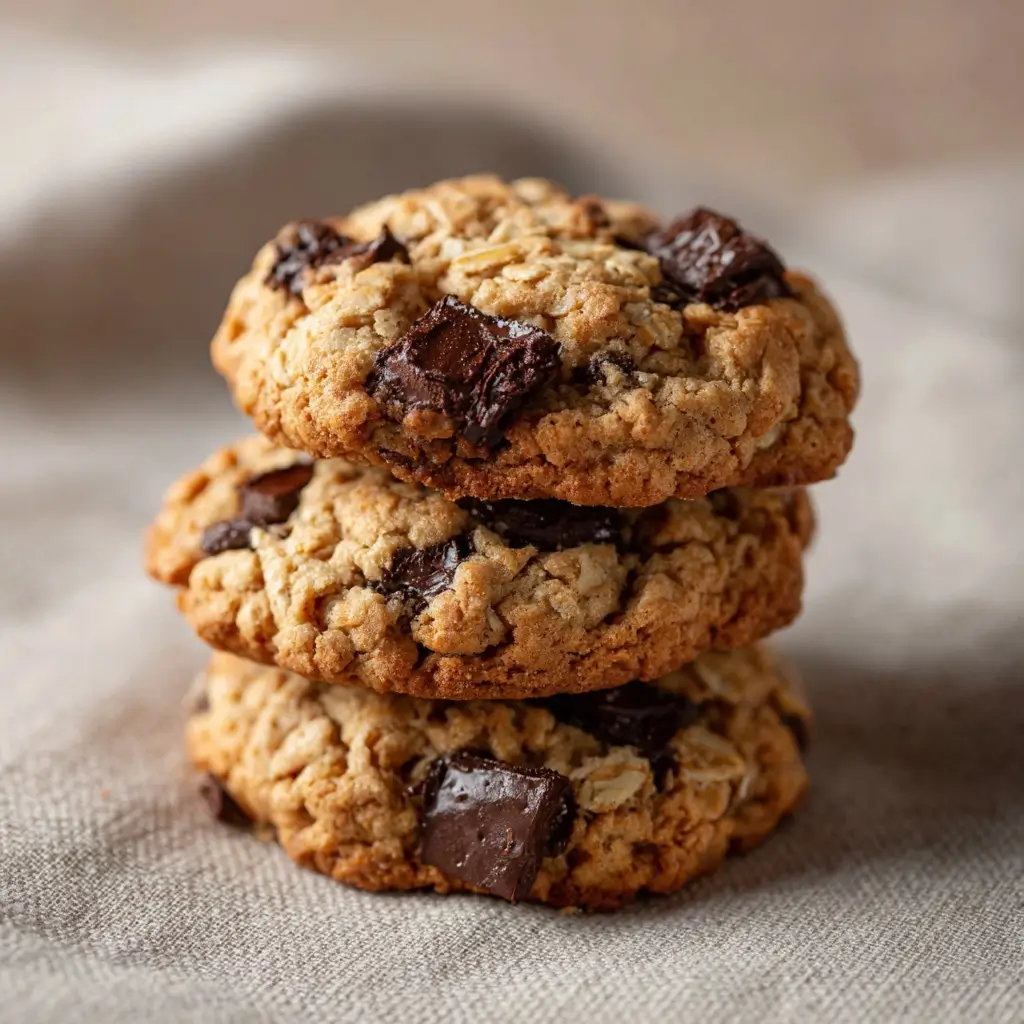
Thick Oatmeal Chocolate Cookies: A Hearty, Chewy Delight
There’s something irresistibly comforting about a thick, chewy oatmeal chocolate cookie—soft in the center, slightly crisp at the edges, and loaded with rich chocolate chunks or chips. These cookies are the perfect blend of wholesome oats and indulgent sweetness, making them ideal for breakfast snacks, afternoon treats, or late-night cravings. Whether you’re baking for a family gathering, packing school lunches, or simply treating yourself, this recipe delivers consistent, bakery-quality results every time.
The History of Oatmeal Chocolate Cookies
Oatmeal cookies have roots that trace back to early American home baking traditions. Oats were a staple grain in many households due to their affordability, long shelf life, and nutritional value. Originally, oatmeal cookies were simple mixtures of oats, butter, sugar, and basic spices—often baked as a way to use up leftover ingredients. The addition of chocolate came much later, during the mid-20th century, when chocolate chips became widely available thanks to innovations by companies like Nestlé.
While oatmeal raisin cookies dominated popularity for decades, bakers began experimenting by swapping raisins for chocolate chips, giving birth to the now-beloved oatmeal chocolate chip cookie. Over time, the recipe evolved to include richer ingredients like brown butter, dark chocolate, and even sea salt toppings, elevating it from humble beginnings to a gourmet favorite. Today, thick oatmeal chocolate cookies are celebrated not only for their satisfying texture but also for balancing health-conscious elements (like fiber-rich oats) with decadent flavors.
Ingredients Breakdown: What Makes These Cookies So Good?
- All-Purpose Flour: Provides structure and helps the cookies hold their shape while remaining soft inside.
- Old-Fashioned Rolled Oats: The star ingredient! They add heartiness, chewiness, and a nutty flavor. Avoid instant oats—they’re too fine and can make the texture mushy.
- Unsalted Butter: Using unsalted butter gives you control over the salt content. It adds richness and contributes to a tender crumb. For extra depth, consider browning the butter before cooling and using it in the dough.
- Granulated Sugar & Brown Sugar: Granulated sugar lightens the texture, while brown sugar (especially dark brown) adds moisture, chewiness, and a caramel-like flavor due to its molasses content.
- Eggs: Bind the ingredients together and contribute to the cookie’s structure and moisture level.
- Vanilla Extract: Enhances overall flavor and brings warmth to the sweetness.
- Baking Soda: Helps the cookies rise slightly and spread just enough without becoming cakey.
- Salt: Balances sweetness and intensifies other flavors. Don’t skip it—even a pinch makes a difference.
- Chocolate: Use high-quality semi-sweet or dark chocolate chunks, chips, or chopped bars. Chunks melt unevenly, creating delicious pockets of gooey chocolate.
- (Optional Add-ins): Chopped nuts (walnuts, pecans), shredded coconut, flax seeds, or cinnamon can elevate your cookies further.
Step-by-Step Recipe: How to Make Thick Oatmeal Chocolate Cookies
Ingredients:
- 1 cup (2 sticks / 226g) unsalted butter, softened
- ¾ cup (150g) granulated sugar
- ¾ cup (165g) packed dark brown sugar
- 2 large eggs, room temperature
- 2 teaspoons pure vanilla extract
- 2 cups (250g) all-purpose flour
- 1 teaspoon baking soda
- ½ teaspoon baking powder (optional, for extra lift)
- 1 teaspoon fine sea salt
- 1½ teaspoons ground cinnamon (optional but recommended)
- 3 cups (270g) old-fashioned rolled oats
- 1½ to 2 cups (270–360g) semi-sweet chocolate chunks or chips
Directions:
- Preheat Oven & Prepare Baking Sheets: Preheat your oven to 350°F (175°C). Line two large baking sheets with parchment paper or silicone baking mats. This prevents sticking and ensures even baking.
- Cream Butter and Sugars: In a large mixing bowl, beat the softened butter, granulated sugar, and brown sugar together on medium speed until light, fluffy, and well combined—about 2–3 minutes. Scrape down the sides of the bowl as needed.
- Add Eggs and Vanilla: Beat in the eggs one at a time, mixing well after each addition. Then stir in the vanilla extract. The mixture should be smooth and creamy.
- Mix Dry Ingredients: In a separate bowl, whisk together the flour, baking soda, baking powder (if using), salt, and cinnamon. Make sure there are no clumps.
- Combine Wet and Dry Mixtures: Gradually add the dry ingredients to the wet mixture, mixing on low speed until just incorporated. Do not overmix—it will lead to tough cookies.
- Fold in Oats and Chocolate: Stir in the rolled oats and chocolate chunks using a wooden spoon or spatula. Mix until evenly distributed throughout the dough.
- Chill the Dough (Highly Recommended): Cover the bowl and refrigerate the dough for at least 1 hour, preferably 2–4 hours or overnight. Chilling solidifies the butter, which prevents excessive spreading and enhances flavor development.
- Scoop the Dough: Once chilled, use a cookie scoop or tablespoon to portion out rounded balls of dough—about 3 tablespoons each for thick cookies. Roll them into tight balls and place them at least 3 inches apart on the prepared baking sheets.
- Bake Until Golden: Bake one sheet at a time in the center rack for 11–13 minutes, or until the edges are golden brown and the centers still look slightly underdone. They’ll continue to set as they cool.
- Cool Before Removing: Let the cookies sit on the baking sheet for 5 minutes after removing from the oven. This allows them to firm up enough to transfer without breaking. Then use a spatula to move them to a wire rack to cool completely—or enjoy warm with melty chocolate!
Tips for Perfect Thick Oatmeal Chocolate Cookies Every Time
- Use Room Temperature Ingredients: Cold eggs or butter won’t cream properly, leading to a dense texture. Take your butter and eggs out 1–2 hours before baking.
- Don’t Skip the Chill: Chilling is crucial for thick, bakery-style cookies. It slows spread and deepens flavor.
- Measure Flour Correctly: Spoon flour into your measuring cup and level it off—don’t scoop directly from the bag, or you’ll pack in too much flour, resulting in dry cookies.
- Use a Cookie Scoop: A #20 or #16 scoop ensures uniform size and thickness so all cookies bake evenly.
- Bake One Sheet at a Time: Especially if your oven has hot spots, rotating and baking one tray at a time leads to better browning control.
- Underbake Slightly: Remove cookies when the centers look soft—they’ll set as they cool and stay chewy.
- Rotate the Pan Midway: If your oven runs unevenly, rotate the pan 180° halfway through baking for even color.
- Store Properly: Keep cooled cookies in an airtight container at room temperature for up to 5 days. You can also freeze baked cookies or raw dough balls for future use.
Variations and Customizations
One of the best things about oatmeal chocolate cookies is how easily they adapt to personal taste. Here are some creative twists:
- Double Chocolate Oatmeal Cookies: Add ¼ cup cocoa powder to the dry ingredients and use dark chocolate chunks for a fudgy twist.
- Nutty Version: Fold in 1 cup chopped walnuts, pecans, or almonds for added crunch and protein.
- Gluten-Free Option: Substitute the all-purpose flour with a 1:1 gluten-free baking blend and ensure your oats are certified gluten-free.
- Vegan Adaptation: Replace butter with vegan margarine or coconut oil (solid state), eggs with flax eggs (1 tbsp ground flax + 3 tbsp water per egg), and use dairy-free chocolate.
- Protein Boost: Stir in ½ cup unflavored or vanilla protein powder and increase oats by ¼ cup to balance texture.
- Spiced Cookies: Add nutmeg, cloves, or ginger along with cinnamon for a warm, holiday-inspired flavor.
- Sea Salt Finish: Sprinkle a pinch of flaky sea salt on top of each cookie right after baking for a sweet-salty contrast.
- Peanut Butter Swirl: Drop a small spoonful of peanut butter onto each dough ball and gently swirl it in before baking.
- Dried Fruit Twist: Combine chocolate with dried cranberries, cherries, or chopped dates for a more complex flavor profile.
Health Considerations and Nutritional Value
While these cookies are undeniably delicious, understanding their nutritional content helps you enjoy them mindfully.
Nutritional Overview (per cookie, based on 24 cookies with 1½ cups chocolate):
- Calories: ~220–250 kcal
- Total Fat: 12–14g (mostly from butter and chocolate)
- Saturated Fat: 7–8g
- Carbohydrates: 30–33g
- Sugars: 18–20g (naturally occurring and added)
- Fiber: 2–3g (thanks to oats and whole grains)
- Protein: 3–4g
- Sodium: 90–110mg
Health Notes:
- Oats are rich in soluble fiber, particularly beta-glucan, which supports heart health and helps regulate blood sugar levels.
- Dark chocolate contains antioxidants like flavonoids, which may benefit cardiovascular health in moderation.
- To reduce sugar, try cutting both sugars by ¼ cup and adding a mashed ripe banana or unsweetened applesauce for natural sweetness and moisture.
- Using whole wheat pastry flour instead of all-purpose increases fiber and nutrients without compromising texture.
- These cookies are energy-dense and make excellent pre-workout snacks or hiking treats when made with nutritious add-ins.
- For diabetic considerations, consult a healthcare provider before consuming; however, low-sugar versions with sugar substitutes (like erythritol or monk fruit blends) can be tested carefully.
Frequently Asked Questions (FAQ)
Q: Why are my oatmeal chocolate cookies flat?
A: Likely causes include melted butter, skipping the chill step, too little flour, or an inaccurate oven temperature. Always use softened (not melted) butter, chill the dough, measure flour correctly, and check your oven with a thermometer.
Q: Can I freeze the cookie dough?
A: Absolutely! Portion the dough into balls, freeze on a tray, then transfer to a freezer-safe bag. Bake straight from frozen—just add 1–2 minutes to the baking time.
Q: Can I use quick oats instead of old-fashioned oats?
A: Yes, but the texture will be less chewy and more compact. Quick oats absorb liquid faster and break down easier during baking.
Q: How do I make thicker cookies?
A: Use cold dough, larger scoops, and avoid overbaking. Also, slightly increasing the flour (by 1–2 tbsp) or adding an extra ¼ cup oats can help build structure.
Q: Are these cookies healthy?
A: They contain wholesome ingredients like oats but are still treats due to sugar and fat content. Enjoy in moderation as part of a balanced diet.
Q: Can I make these without eggs?
A: Yes. Try flax eggs (1 tbsp ground flaxseed + 3 tbsp water per egg), applesauce (¼ cup per egg), or commercial egg replacers. Texture may vary slightly.
Q: Why did my cookies turn out dry?
A: Overmeasuring flour, overbaking, or using too much oats can cause dryness. Be precise with measurements and remove cookies when centers look soft.
Q: Can I use milk chocolate instead of semi-sweet?
A: Yes, though milk chocolate is sweeter and melts faster. Semi-sweet provides a better balance with the oats’ earthiness.
Summary
Thick oatmeal chocolate cookies are the ultimate comfort treat—chewy, rich, and deeply satisfying, combining hearty oats with luxurious chocolate in every bite. With proper technique and quality ingredients, you can create bakery-style cookies that impress every time.