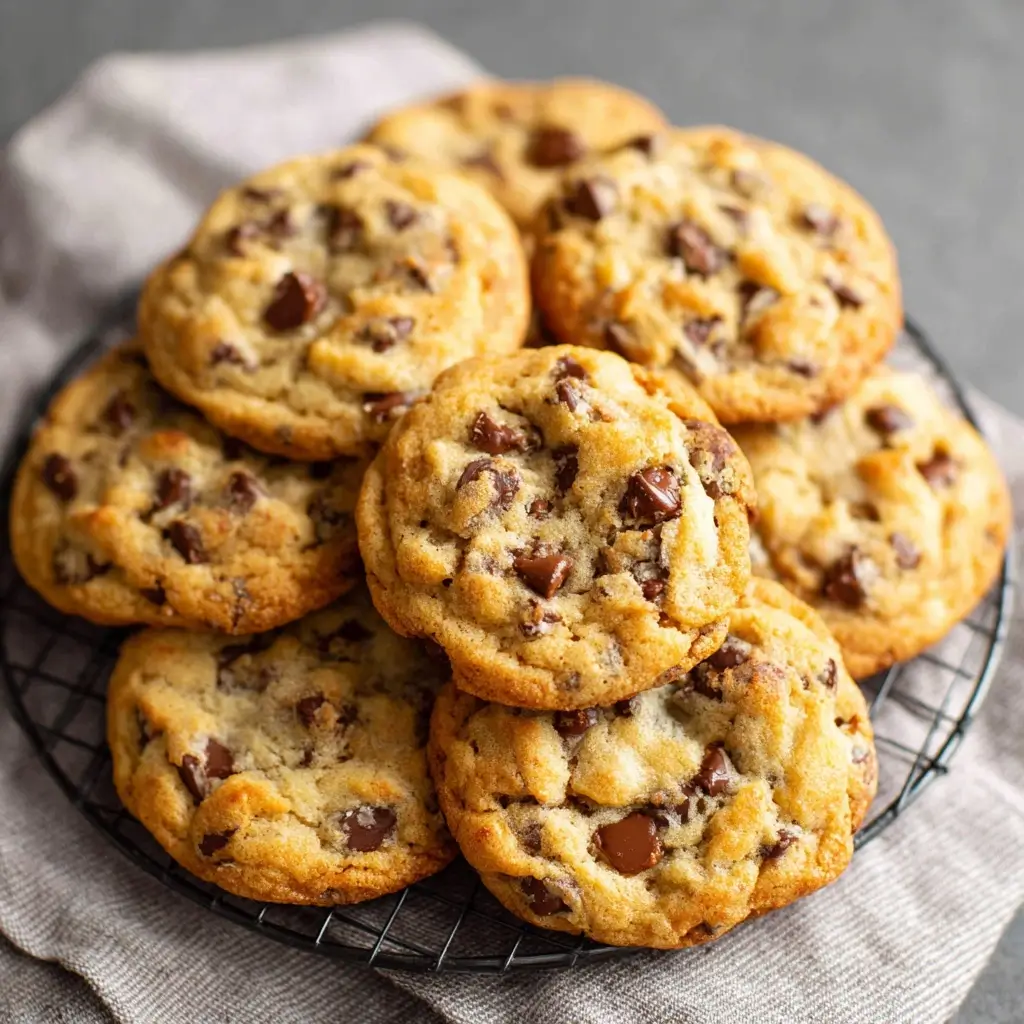
Classic Soft Chocolate Chip Cookies: The Ultimate Guide
The History
The story of the classic soft chocolate chip cookie is a delicious tale that began in the 1930s at the Toll House Inn in Whitman, Massachusetts. Ruth Wakefield, the inn’s owner and a trained dietitian, was known for her home-cooked meals and desserts. One day, while baking butter drop cookies, she decided to chop up a bar of semi-sweet chocolate and mix it into the dough, expecting the chocolate to melt and disperse throughout. To her surprise, the chocolate held its shape, creating pockets of melty sweetness in each bite. These accidental treats became an instant hit among guests, and soon after, Ruth published the recipe in her cookbook, Toll House Tried and True Recipes.
In 1939, Nestlé struck a deal with Ruth to print the recipe on the back of their chocolate bars, and the now-iconic Nestlé Toll House Chocolate Chip Cookie was born. Over the decades, this beloved treat has evolved from a simple kitchen experiment into a global phenomenon. It’s a staple in American households, school bake sales, holiday platters, and even gourmet dessert menus. Despite countless variations, the original soft, chewy, golden-brown version remains the gold standard — a nostalgic symbol of comfort, warmth, and homemade love.
Ingredients Breakdown
Every great chocolate chip cookie starts with carefully selected ingredients, each playing a crucial role in flavor, texture, and structure. Let’s take a deep dive into what goes into these classic soft cookies:
- Butter (Unsalted, Room Temperature): Provides richness, flavor, and moisture. Using unsalted butter allows you to control the salt level. Room temperature ensures proper creaming with sugar for a light, airy texture.
- Granulated Sugar: Adds sweetness and helps create a slightly crisp exterior while contributing to spread during baking.
- Brown Sugar (Light or Dark): The key to softness and chewiness. Brown sugar contains molasses, which adds moisture and a subtle caramel flavor. Dark brown sugar intensifies the depth of flavor.
- Eggs (Large, Room Temperature): Act as a binder and add structure, while also contributing to moisture and richness. Room temperature eggs blend more smoothly into the batter.
- Pure Vanilla Extract: Enhances sweetness and adds a warm, aromatic complexity that balances the chocolate and butter.
- All-Purpose Flour: The foundation of the cookie. Provides structure through gluten formation. Measuring correctly (spoon and level method) prevents dry, tough cookies.
- Baking Soda: A leavening agent that helps the cookies rise slightly and develop a soft interior with a delicate crumb.
- Salt (Fine Sea Salt or Table Salt): Balances sweetness and enhances all other flavors. Often paired with a pinch of salt on top before baking for a sweet-and-salty finish.
- Semi-Sweet Chocolate Chips (or Chopped Chocolate Bar): The star ingredient. High-quality chocolate with at least 50% cocoa content melts beautifully and offers a rich, balanced flavor. You can use chips, chunks, or even a combination.
- (Optional) Flaky Sea Salt for Topping: A sprinkle on top after baking elevates the sensory experience with a gourmet touch.
Step-by-Step Recipe
Making soft, bakery-style chocolate chip cookies at home is easier than you think. Follow this detailed guide for perfect results every time.
- Preheat Oven & Prepare Baking Sheets: Preheat your oven to 375°F (190°C). Line two large baking sheets with parchment paper or silicone baking mats. This prevents sticking and ensures even browning.
- Cream Butter and Sugars: In a large mixing bowl, beat ¾ cup (1.5 sticks) of softened unsalted butter with ¾ cup granulated sugar and ¾ cup packed light brown sugar using a hand mixer or stand mixer. Cream on medium speed for 2–3 minutes until light, fluffy, and pale in color. Scrape down the sides as needed.
- Add Eggs and Vanilla: Beat in 2 large room-temperature eggs, one at a time, mixing well after each addition. Then mix in 2 teaspoons of pure vanilla extract until fully incorporated.
- Combine Dry Ingredients: In a separate bowl, whisk together 2¼ cups all-purpose flour, 1 teaspoon baking soda, and ½ teaspoon salt. Whisk thoroughly to ensure even distribution.
- Mix Dry into Wet: Gradually add the dry ingredients to the wet mixture, mixing on low speed just until combined. Do not overmix, as this can lead to tough cookies.
- Fold in Chocolate Chips: Using a spatula, gently fold in 2 cups of semi-sweet chocolate chips (or chopped chocolate) until evenly distributed throughout the dough.
- Chill the Dough (Optional but Recommended): For thicker, chewier cookies, cover the dough and refrigerate for at least 30 minutes (up to 72 hours). Chilling solidifies the butter, reduces spreading, and enhances flavor development.
- Scoop the Dough: Use a cookie scoop or tablespoon to portion out rounded balls of dough (about 1.5–2 tablespoons each). Place them at least 2 inches apart on the prepared baking sheets.
- Bake Until Golden: Bake one sheet at a time in the center rack for 9–11 minutes, or until the edges are lightly golden and the centers still look soft and slightly underdone. They will continue to set as they cool.
- Cool on Sheet: Remove from oven and let the cookies rest on the baking sheet for 5 minutes to finish setting. Then transfer to a wire rack to cool completely, or enjoy warm with a glass of milk!
Tips for Perfect Soft Chocolate Chip Cookies
- Use Room-Temperature Ingredients: Cold butter or eggs can prevent proper emulsification, leading to dense cookies.
- Don’t Overbake: Take cookies out when centers look soft — they’ll firm up as they cool. Overbaking leads to crispiness instead of chewiness.
- Measure Flour Correctly: Spoon flour into the measuring cup and level off with a knife. Packed flour adds too much, resulting in dry cookies.
- Chill the Dough: Even a short chill improves texture. For extra flavor, try aging the dough in the fridge for 24–72 hours.
- Bake One Sheet at a Time: Ovens have hot spots. Baking one tray ensures even cooking and consistent browning.
- Rotate the Pan Halfway: If your oven runs uneven, rotate the pan 180 degrees halfway through baking.
- Add Extra Flavor: Try adding a pinch of cinnamon, espresso powder, or a splash of almond extract for a unique twist.
- Freeze for Fresh-Baked Later: Scoop dough onto a tray, freeze until solid, then transfer to a bag. Bake straight from frozen — just add 1–2 minutes to baking time.
Variations and Customizations
While the classic version is timeless, feel free to get creative! Here are some popular twists:
- Oatmeal Chocolate Chip: Add 1 cup of old-fashioned oats for a heartier, chewier texture.
- Nutty Delight: Fold in ½–1 cup of toasted walnuts, pecans, or almonds for crunch and depth.
- Double Chocolate: Replace ¼ cup of flour with ½ cup unsweetened cocoa powder for a decadent double-chocolate version.
- Sea Salt & Dark Chocolate: Use dark chocolate chips (60–70% cacao) and sprinkle flaky sea salt on top before baking.
- Peanut Butter Swirl: Mix ½ cup creamy peanut butter into the dough or swirl into each cookie before baking.
- White Chocolate & Macadamia: Swap semi-sweet chips for white chocolate and add ¾ cup chopped macadamia nuts.
- Mini Chips for Even Distribution: Use mini chocolate chips so every bite has chocolate.
- Gluten-Free Version: Substitute all-purpose flour with a high-quality 1:1 gluten-free flour blend.
- Vegan Option: Use plant-based butter, flax eggs (1 tbsp ground flax + 3 tbsp water per egg), and dairy-free chocolate.
- Stuffed Cookies: Place a piece of chocolate bar, caramel, or marshmallow in the center before baking for a gooey surprise.
Health Considerations and Nutritional Value
While chocolate chip cookies are undeniably indulgent, understanding their nutritional profile helps in enjoying them mindfully.
Nutrition Facts (Per Cookie, based on 24 cookies):
- Calories: ~180–200
- Total Fat: 10–11g (Saturated Fat: 6g)
- Cholesterol: 30mg
- Sodium: 90–110mg
- Total Carbohydrates: 22–25g (Dietary Fiber: 1g, Sugars: 14–16g)
- Protein: 2–3g
Health Notes:
- High in added sugars and saturated fats, so moderation is key.
- Can be adapted: Use coconut sugar or monk fruit sweetener blends to reduce refined sugar.
- Whole wheat flour or oat flour can increase fiber content.
- Dark chocolate offers antioxidants (flavonoids), though benefits diminish with high sugar content.
- Ideal as an occasional treat, especially when made with quality ingredients.
Ingredients
- ¾ cup (1.5 sticks / 340g) unsalted butter, softened
- ¾ cup (150g) granulated sugar
- ¾ cup (165g) packed light brown sugar
- 2 large eggs, room temperature
- 2 teaspoons pure vanilla extract
- 2¼ cups (280g) all-purpose flour
- 1 teaspoon baking soda
- ½ teaspoon salt (plus extra for topping, optional)
- 2 cups (340g) semi-sweet chocolate chips (or chopped chocolate)
Directions
- Preheat oven to 375°F (190°C). Line baking sheets with parchment paper.
- In a large bowl, cream together butter, granulated sugar, and brown sugar until light and fluffy (2–3 minutes).
- Beat in eggs one at a time, then stir in vanilla.
- In another bowl, whisk flour, baking soda, and salt.
- Gradually mix dry ingredients into wet until just combined.
- Fold in chocolate chips with a spatula.
- (Optional) Chill dough for 30 minutes to 72 hours.
- Scoop dough into 1.5–2 tablespoon balls and place 2 inches apart on baking sheets.
- Bake for 9–11 minutes until edges are golden but centers are soft.
- Let cool on baking sheet for 5 minutes, then transfer to a wire rack.
- Optional: Sprinkle with flaky sea salt while still warm.
- Enjoy warm or store in an airtight container for up to 5 days.
FAQ
Q: Why are my cookies flat?
A: This could be due to melted butter, overcreaming, too little flour, or warm dough. Always use softened (not melted) butter and consider chilling the dough.
Q: How do I make cookies chewier?
A: Increase brown sugar, slightly underbake, and chill the dough. Using bread flour can also enhance chewiness due to higher protein content.
Q: Can I freeze the cookie dough?
A: Absolutely! Portion the dough, freeze on a tray, then store in a freezer bag for up to 3 months. Bake from frozen — no need to thaw.
Q: Can I use salted butter?
A: Yes, but reduce added salt to ¼ teaspoon or omit entirely to avoid oversalting.
Q: Why did my cookies turn out cakey?
A: Too much flour, too many eggs, or overmixing can cause a cake-like texture. Measure flour accurately and avoid overbeating after adding flour.
Q: How long do cookies last?
A: Stored in an airtight container at room temperature: 4–5 days. In the freezer: up to 3 months.
Q: Can I double the recipe?
A: Yes, but mix in batches to ensure even consistency. Doubling works best with a stand mixer.
Q: What’s the best chocolate to use?
A: High-quality chocolate with 50–70% cocoa. Many bakers prefer chopping a chocolate bar over chips for better melt and flavor.
Summary
The Classic Soft Chocolate Chip Cookie is a timeless treat that combines buttery richness, golden edges, and a tender, chewy center studded with melty chocolate. Easy to make and endlessly customizable, it’s the ultimate comfort cookie loved by generations.