Introduction
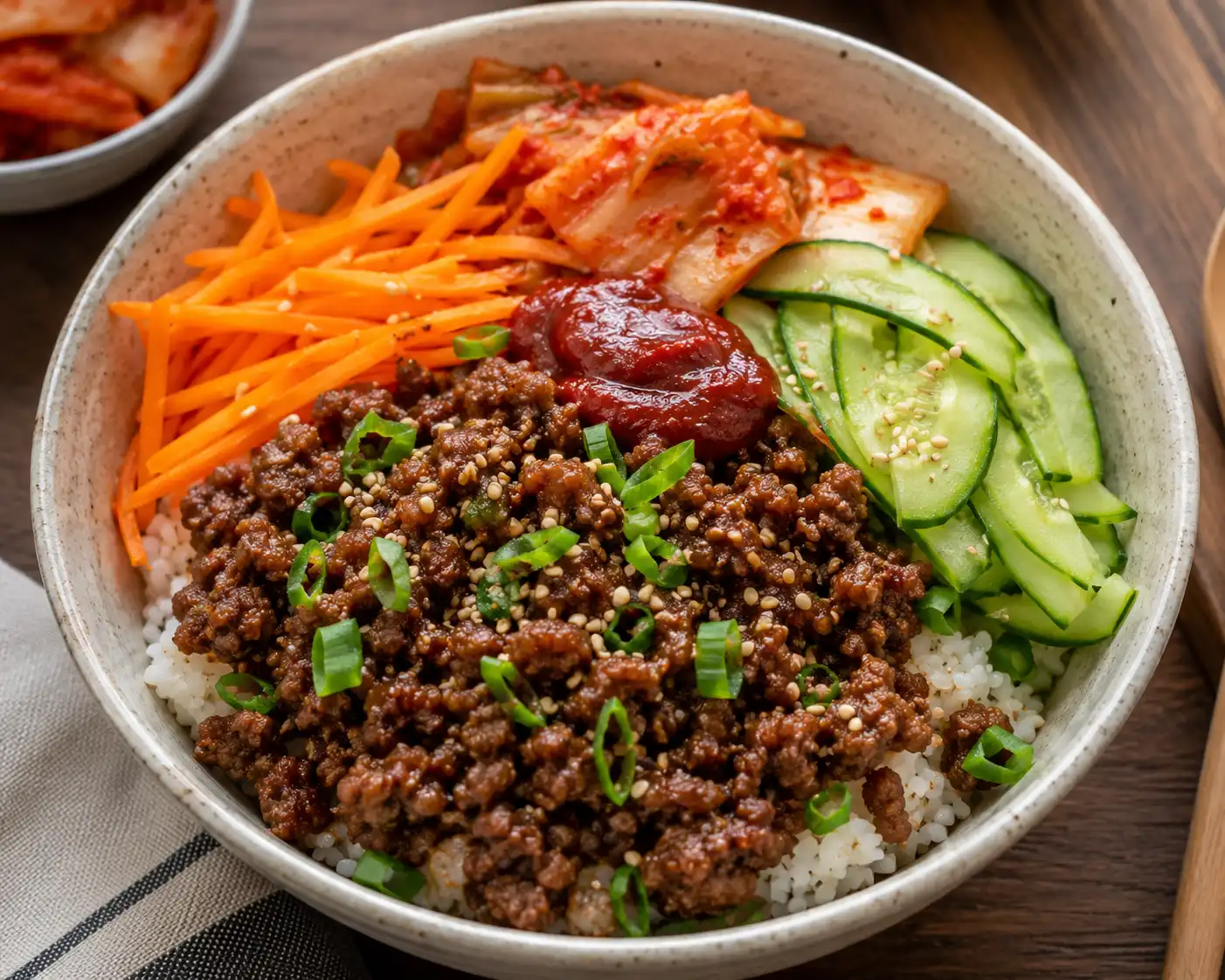
There are few weeknight dinners that rival the sheer satisfaction of a Korean Ground Beef Bowl. It is the ultimate intersection of convenience and explosive flavor, offering a culinary experience that feels like a high-end takeout meal but can be prepared in the time it takes to order delivery. In just 25 minutes, you can transform humble ground beef into a savory, sweet, and slightly spicy masterpiece that coats every grain of rice in a glossy, umami-rich glaze.
This dish has exploded in popularity for good reason. It eliminates the need for expensive cuts of meat or labor-intensive marinating times. Instead, it relies on the magic of a quick pan-fry and a sauce that hits every single taste bud. Whether you are a busy parent, a student looking for a budget-friendly meal, or a foodie craving the taste of Seoul without the flight ticket, this bowl is your new go-to solution. It is customizable, forgiving, and undeniably delicious.
The History
While the “Korean Ground Beef Bowl” as we know it today is largely a Westernized creation born out of the need for speed, its soul is deeply rooted in traditional Korean cuisine. The flavor profile is directly inspired by Bulgogi (fire meat), a classic Korean dish consisting of thinly sliced, marinated beef that is grilled or stir-fried.
Traditional Bulgogi requires slicing beef against the grain—a skill that takes practice—and marinating it for hours to tenderize the meat and infuse flavor. As Korean cuisine gained global popularity in the 2000s and 2010s, home cooks and food bloggers began adapting these flavors for the modern, fast-paced lifestyle. By swapping expensive ribeye or sirloin for affordable ground beef, the “hack” was born. This adaptation democratized the flavor of Bulgogi, making it accessible for weeknight dinners while maintaining the essential balance of soy, sesame, garlic, and ginger that defines Korean cooking.
Ingredients Breakdown
To achieve that authentic restaurant-quality taste, understanding the role of each ingredient is crucial. This isn’t just “beef and soy sauce”; it is a symphony of specific components.
The Protein
Ground Beef (80/20 or 90/10): While leaner beef is healthier, a slightly higher fat content (80/20) often yields a more flavorful result because fat carries flavor. However, 90/10 works perfectly fine if you drain the excess grease. The ground texture allows the sauce to cling to every nook and cranny, ensuring every bite is seasoned.
The Aromatics
Fresh Garlic and Ginger: Do not skimp here. Powdered versions simply cannot replicate the pungent, spicy heat of fresh garlic or the zesty, peppery warmth of fresh ginger. These two ingredients form the aromatic base that signals “Korean food” to your brain immediately.
Green Onions (Scallions): Used both during cooking for a mild onion flavor and as a fresh garnish at the end for a crisp, grassy bite that cuts through the richness of the meat.
The Sauce (The Soul of the Dish)
Soy Sauce: Use low-sodium soy sauce if possible. This allows you to control the salt level, as the sauce reduces and concentrates. It provides the essential salty umami backbone.
Brown Sugar: This is non-negotiable for the glaze. As the sugar heats up, it caramelizes slightly, creating that sticky, glossy coating that makes the beef look so appetizing. It balances the saltiness of the soy sauce.
Sesame Oil: Added at the very end. Sesame oil has a low smoke point and a potent flavor. Cooking it too long burns off the flavor. Drizzling it in at the finish line adds a nutty, toasted aroma that elevates the entire dish.
Red Pepper Flakes (Gochugaru): For a touch of heat. You can adjust this based on your tolerance. For a deeper, more authentic heat, Korean red pepper flakes are ideal, but standard crushed red pepper works in a pinch.
Step-by-Step Recipe
Follow these steps to ensure your beef is browned perfectly and your sauce is thick and luscious.
- Prep Your Mise en Place: Because this cooks in 25 minutes, you don’t have time to chop while the pan is hot. Mince your garlic and ginger, slice your green onions, and mix your sauce ingredients (soy sauce, brown sugar, water, pepper flakes) in a small bowl before you turn on the stove.
- Brown the Beef: Heat a large skillet or wok over medium-high heat. Add the ground beef. Break it apart with a wooden spoon or spatula. You want to cook this until it is no longer pink. Do not overcrowd the pan; if you have a lot of meat, cook it in batches to ensure it browns rather than steams.
- Drain the Fat: Once the beef is browned and crumbly, carefully drain the excess grease from the pan. Leaving too much grease will make the final dish oily and heavy.
- Add Aromatics: Return the pan to the heat. Add the minced garlic and ginger to the beef. Sauté for about 1 minute until fragrant. Be careful not to burn the garlic, or it will turn bitter.
- Simmer the Sauce: Pour your pre-mixed sauce over the beef. Stir to combine. Let the mixture simmer for 5 to 7 minutes. You will see the liquid bubble and slowly reduce. This reduction process is what thickens the sauce so it clings to the meat.
- The Finish: Once the sauce has thickened to your liking, remove the pan from the heat. Stir in the toasted sesame oil and half of your sliced green onions. The residual heat will wilt the onions slightly without cooking them to death.
- Serve: Serve immediately over steamed white rice, garnished with the remaining green onions and sesame seeds.
Tips for Success
- Crispy Edges: For a better texture, resist the urge to stir the beef constantly while it is browning. Let it sit for a minute or two to develop a crust before breaking it up again.
- Sauce Consistency: If you prefer a thicker, gravy-like sauce, mix 1 teaspoon of cornstarch with 1 tablespoon of cold water and add it to the simmering sauce. This creates a slurry that will thicken the liquid instantly.
- Rice Matters: Use short-grain or medium-grain white rice (like sushi rice or Calrose). These varieties are stickier and hold the sauce better than long-grain Jasmine or Basmati rice.
- Make it Ahead: This dish reheats exceptionally well. In fact, the flavors often meld and improve the next day, making it a perfect meal-prep option for lunches.
Variations and Customizations
The beauty of this bowl is its versatility. Here is how you can tweak it to fit your dietary needs or cravings:
Spicy Korean Beef Bowl
Love heat? Add a tablespoon of Gochujang (Korean fermented chili paste) to the sauce mixture. This adds a deep, complex spiciness and a bit of fermentation tang that takes the dish to the next level.
Keto / Low-Carb Version
Skip the rice entirely. Serve the beef over a bed of cauliflower rice or shredded cabbage. To keep it low-carb, swap the brown sugar for a brown sugar substitute like Swerve or Monk Fruit sweetener.
Veggie-Packed Bowl
Increase the nutritional density by adding vegetables directly into the skillet. Diced bell peppers, shredded carrots, or broccoli florets can be sautéed along with the garlic and ginger before adding the sauce.
Pork or Turkey Swap
While beef is traditional for this specific “hack,” ground pork offers a richer, fattier flavor profile that pairs beautifully with the sweet soy glaze. Ground turkey is a leaner alternative that absorbs the sauce very well.
Health Considerations and Nutritional Value
This dish is a balanced meal when paired with the right sides. Ground beef is an excellent source of high-quality protein, zinc, and Vitamin B12, which are essential for energy and muscle repair. However, the primary health consideration here is sodium. Soy sauce is naturally high in salt.
To make this healthier:
- Use Coconut Aminos instead of soy sauce for a lower-sodium, soy-free alternative.
- Increase the volume of the meal by adding steamed broccoli or a side salad, which allows you to eat a larger portion without consuming excessive calories or sodium.
- Opt for 93% lean ground beef to reduce saturated fat intake.
Ingredients
- 1 lb ground beef (80/20 or 90/10 lean)
- 1/2 cup brown sugar, packed
- 1/4 cup soy sauce (low sodium preferred)
- 1 tablespoon sesame oil
- 1 teaspoon crushed red pepper flakes (adjust to taste)
- 1/2 teaspoon ground ginger (or 1 tbsp fresh minced)
- 4 cloves garlic, minced
- 1/4 teaspoon black pepper
- 3 green onions, thinly sliced
- 1 teaspoon sesame seeds (for garnish)
- Cooked white rice, for serving
Directions
- In a large skillet over medium-high heat, cook the ground beef until browned and crumbly, about 5-7 minutes. Drain excess grease if necessary.
- Add the minced garlic and ginger to the beef and cook for another minute until fragrant.
- In a small bowl, whisk together the brown sugar, soy sauce, sesame oil, red pepper flakes, and black pepper.
- Pour the sauce mixture over the beef in the skillet. Stir well to coat.
- Bring the mixture to a simmer and cook for 5-7 minutes, or until the sauce has thickened and reduced slightly.
- Remove from heat. Stir in the sliced green onions (save some for garnish).
- Serve hot over steamed rice. Top with remaining green onions and sesame seeds.
FAQ
Can I freeze Korean Ground Beef?
Yes, this freezes very well. Let it cool completely, store it in an airtight container, and freeze for up to 3 months. Thaw in the refrigerator overnight and reheat in the microwave or on the stovetop with a splash of water to loosen the sauce.
My sauce is too runny. What should I do?
If the sauce hasn’t thickened after 7 minutes of simmering, you can create a cornstarch slurry (1 tsp cornstarch mixed with 1 tbsp cold water) and stir it into the boiling sauce. It will thicken within 30 seconds.
Is this dish gluten-free?
Traditional soy sauce contains wheat. To make this gluten-free, simply substitute the soy sauce with Tamari or Coconut Aminos.
Can I use chicken instead of beef?
Absolutely. Ground chicken works well, though it is leaner. You may need to add a teaspoon of extra oil to the pan to prevent sticking, and the cooking time might be slightly shorter.
Summary
This 25-minute Korean Ground Beef Bowl combines savory ground beef with a sweet and spicy soy-ginger glaze for a quick, restaurant-quality meal. Serve it over steamed rice with fresh green onions for a satisfying dinner that beats takeout every time.