Introduction
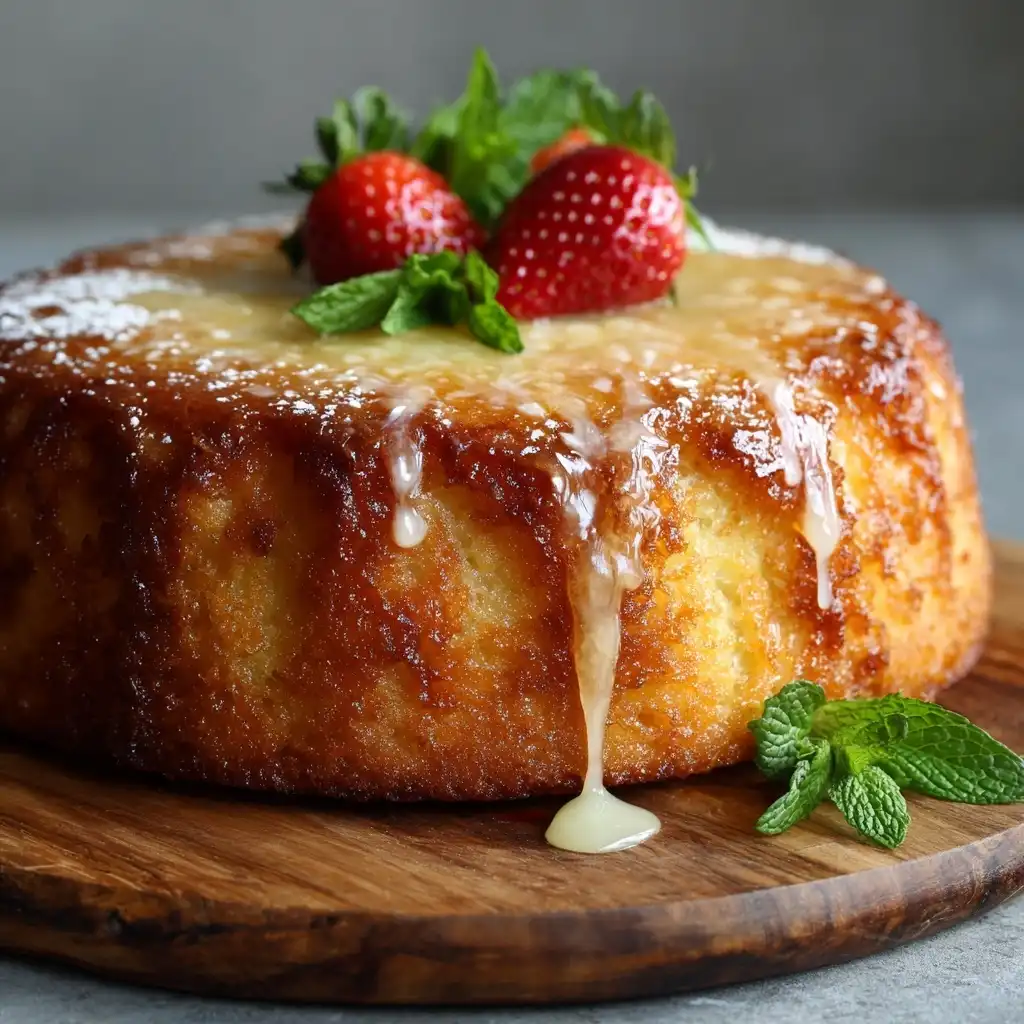
The Rustic French Yogurt Cake—known affectionately in France as Gâteau au Yaourt—is a beloved staple of home baking, cherished for its unpretentious charm, effortless technique, and deeply comforting flavor. Unlike elaborate, precision-driven pastries, this cake celebrates simplicity: it’s mixed by hand in the very container the yogurt comes in (often a standard 125g pot), using that same pot to measure flour, sugar, oil, and other staples—no scales, no measuring cups required. Its texture is tender yet substantial, moist without greasiness, delicately tangy from the yogurt, and subtly sweet with an understated elegance. Baked in a simple bundt, loaf, or round pan, it emerges golden-brown with a gentle crumb and a faintly crackled top—hence the word “rustic” in its name. More than just a dessert, it’s a cultural artifact: a cake baked by generations of French mothers and grandmothers for school snacks, Sunday tea, or last-minute guests—proof that extraordinary results need not demand extraordinary effort.
The History
The origins of the French yogurt cake trace back to mid-20th-century postwar France, a time when resourcefulness and accessibility defined domestic cooking. While exact documentation is scarce—this was never a haute cuisine creation, but rather a folk recipe passed orally and through handwritten notebooks—the cake gained widespread popularity following the commercial success of Danone’s set-style yogurt in the 1930s and its subsequent household ubiquity by the 1950s and ’60s. The genius of the recipe lies in its built-in standardization: before digital kitchen scales were common, French yogurt pots provided a consistent, reliable unit of volume—approximately 125 grams or 110–120 mL—making the cake inherently reproducible across kitchens without technical literacy or specialized tools. By the 1970s, it appeared in regional cookbooks and women’s magazines like Marie Claire Cuisine and Cuisine Actuelle, often accompanied by charming notes like “Pour les débutantes et les pressées” (“For beginners and the hurried”). Its rise paralleled the broader French culinary ethos of terroir and savoir-faire: honoring local, seasonal ingredients and celebrating skill expressed through intuition—not rigid formulas. Today, the yogurt cake remains a symbol of la cuisine familiale—a humble, honest, and resilient tradition that has crossed borders, inspiring adaptations from Brooklyn bakeries to Tokyo cafés, yet always retaining its soul: simplicity rooted in authenticity.
Ingredients Breakdown
Every ingredient in the Rustic French Yogurt Cake plays a deliberate, functional role—none are mere fillers or afterthoughts. Understanding their purpose deepens both appreciation and mastery:
- Plain Whole-Milk Yogurt (125g / ½ cup): The cornerstone—provides acidity to activate baking powder, moisture for tenderness, richness from milk fat, and subtle lactic tang that balances sweetness. Greek yogurt may be used but requires thinning (1–2 tbsp milk) to match fluidity; low-fat or non-dairy yogurts alter texture and rise unpredictably.
- Granulated Sugar (1 pot / ~125g): Sweetness, yes—but also tenderness (by inhibiting gluten formation) and browning (via caramelization). Traditional recipes use white sugar for neutral flavor, though raw cane sugar (like turbinado) adds molasses nuance and a deeper golden crust.
- All-Purpose Flour (2 pots / ~250g): Provides structure. Not cake flour (too weak) nor bread flour (too strong). Sifting is optional but recommended for even incorporation and airiness. For gluten-free versions, a 1:1 certified GF blend with xanthan gum works—but expect slightly denser crumb and longer bake time.
- Large Eggs (3): Binders and leaveners—egg whites add lift, yolks contribute emulsification and richness. Room-temperature eggs integrate more smoothly and trap more air during whisking.
- Neutral Oil (½ pot / ~60mL): Typically sunflower, grapeseed, or light olive oil (not extra virgin—its pungency overwhelms). Oil ensures moistness far beyond butter’s capacity, as it remains liquid at room temperature and coats flour proteins more effectively, minimizing gluten development.
- Baking Powder (1 tsp): Primary chemical leavener—reacts with yogurt’s acid and heat to create carbon dioxide bubbles. Freshness is critical: test by mixing ½ tsp with ¼ cup hot water; vigorous fizzing = active.
- Vanilla Extract (1 tsp) & Salt (¼ tsp): Flavor enhancers. Pure Madagascar bourbon vanilla adds floral depth; imitation extract lacks complexity. Fine sea salt—not iodized—sharpens sweetness and harmonizes all elements.
- Optional Enhancements: Zest of 1 lemon or orange (brightens aroma), 2 tbsp rum or Grand Marnier (adds sophistication), 50g toasted almonds or walnuts (for crunch and nuttiness), or a swirl of apricot jam before baking (for jewel-toned marbling).
Step-by-Step Recipe
- Preheat & Prep: Position oven rack in center. Preheat oven to 175°C (350°F) for conventional ovens—or 160°C (320°F) for convection/fan-assisted. Generously grease a 9-inch (23cm) round cake pan, 9×5-inch loaf pan, or 10-cup bundt pan with softened butter or neutral oil, then dust evenly with flour, tapping out excess. Lining the bottom with parchment is highly recommended for foolproof release.
- Yogurt Pot Protocol: Use the empty, rinsed, and dried 125g yogurt pot as your universal measure. Do not pack flour or sugar—spoon lightly and level with a knife. This consistency is what makes the recipe reliably scalable and authentically French.
- Wet Ingredients First: In a large mixing bowl, whisk together yogurt, sugar, eggs (one at a time, fully incorporated before adding the next), oil, and vanilla until smooth and slightly pale—about 2 minutes. Avoid over-whisking; aim for homogeneity, not foam.
- Dry Ingredients Next: In a separate bowl, sift together flour and baking powder. Add salt and whisk to distribute evenly. Sifting prevents lumps and aerates the flour—critical for lightness.
- Combine Gently: Pour dry mixture over wet mixture in two additions. Using a silicone spatula or wooden spoon, fold *just until no streaks remain*. Do not stir vigorously or beat—overmixing develops gluten, yielding toughness or tunnels. A few small lumps are perfectly acceptable and preferable to overworked batter.
- Final Touches: If using citrus zest, nuts, or liqueur, fold in now. Pour batter into prepared pan, smoothing the top with the spatula. Tap pan sharply twice on counter to release large air pockets.
- Bake with Patience: Place in preheated oven. Bake 45–55 minutes (loaf pan may take up to 60 min; bundt 50–58 min). Cake is done when a skewer inserted into the center emerges with *moist crumbs* (not wet batter, not completely clean—this indicates ideal moisture retention). Edges should pull slightly from pan, and top should be domed, golden, and springy to light touch.
- Cool Strategically: Let cake cool in pan on a wire rack for exactly 15 minutes—this allows structure to set without steam condensing and making the base soggy. Then run a thin knife around edges, invert onto rack, peel off parchment (if used), and reinvert right-side-up to cool completely—minimum 2 hours. This rest period enhances flavor development and slice integrity.
Tips
- The Pot Matters: Always use the original yogurt container—not a measuring cup labeled “125g.” Its unique shape and volume are part of the ritual and accuracy. If you’ve misplaced yours, use 125g (½ cup) yogurt, then measure remaining ingredients by weight for fidelity.
- Room Temperature Is Non-Negotiable: Cold eggs or yogurt cause batter to seize, leading to uneven texture and poor rise. Take them out 30–45 minutes before baking.
- No Mixer Needed—But Technique Counts: Whisk wet ingredients briskly (not frantically) to incorporate air. Fold dry ingredients slowly and deliberately—think “cut and fold,” not “stir.” Your wrist should move like a gentle wave, not a whip.
- Oven Thermometer Essential: Most home ovens run hot or cold. An inexpensive oven thermometer ensures precise temperature—off by even 10°C can mean dryness or collapse.
- Resist the Peek: Opening the oven door before 35 minutes risks sudden temperature drop and cake sinking. Use the oven light and window instead.
- Cooling Is Part of Baking: Cutting into a warm cake releases steam trapped in the crumb, resulting in gummy texture and crumbling slices. Let it breathe—its aroma alone is worth the wait.
- Storage Wisdom: Unfrosted cake keeps beautifully at room temperature, wrapped tightly in beeswax cloth or parchment + foil, for up to 4 days. For longer storage, freeze whole or sliced (no frosting) for up to 3 months—thaw overnight wrapped at room temp.
- Revive Stale Slices: Lightly toast day-old pieces in a skillet with butter and a drizzle of honey—transforming leftovers into elegant “pain perdu–adjacent” treats.
Variations and Customizations
The Rustic French Yogurt Cake is gloriously adaptable—its flexible base invites creativity while preserving its soul. Here are time-tested, chef-vetted variations:
- Lemon-Ricotta Swirl: Fold 100g full-fat ricotta and zest of 2 lemons into batter. Before baking, dollop 3 tbsp lemon curd over surface and drag a knife through for marbled effect.
- Provence Herb & Olive: Replace 2 tbsp oil with high-quality extra virgin olive oil. Add 1 tbsp finely chopped fresh rosemary, 1 tsp thyme, and ⅓ cup pitted niçoise olives (chopped). Serve with crème fraîche.
- Chocolate-Orange: Substitute 50g flour with unsweetened cocoa powder. Add 1 tbsp orange zest and 100g dark chocolate chunks (70% cacao). Dust finished cake with powdered sugar and candied orange peel.
- Spiced Pear & Ginger: Fold in 1½ cups peeled, diced ripe pears (tossed in 1 tsp lemon juice) and 2 tbsp crystallized ginger. Add 1 tsp ground cardamom and ½ tsp ground ginger to dry ingredients.
- Almond-Brandy: Replace 1 egg with 1 additional yolk. Use almond extract instead of vanilla, and add 2 tbsp brandy. Top before baking with sliced almonds and coarse sugar.
- Gluten-Free Honey-Oat: Swap flour for 180g GF oat flour + 70g tapioca starch. Replace sugar with 125g mild honey (reduce yogurt to 100g to balance moisture). Add 1 tsp apple cider vinegar for lift.
- Vegan Adaptation: Use thick soy or coconut yogurt (unsweetened), flax “eggs” (3 tbsp ground flax + 9 tbsp water, rested 10 min), and refined coconut oil. Increase baking powder to 1¼ tsp and add ½ tsp baking soda for extra lift.
- Mini-Muffin Version: Fill lined muffin tins ¾ full. Bake at 180°C for 18–22 minutes. Perfect for portion control, lunchboxes, or elegant tea service—dust with lavender sugar.
Pro Tip: When experimenting, change only *one* major variable per batch (e.g., swap oil for melted butter *or* add fruit—but not both)—to isolate effects on texture and rise.
Health Considerations and Nutritional Value
A single generous slice (1/12 of a standard 9-inch cake, approx. 95g) contains roughly:
- Calories: 240–270 kcal
- Total Fat: 10–12g (mostly unsaturated from oil; 1.5g saturated)
- Carbohydrates: 32–36g (including 18–22g natural sugars from yogurt and added sugar)
- Protein: 4–5g (from yogurt and eggs)
- Fiber: 0.5g (naturally low; boost with whole wheat pastry flour substitution or added ground flax)
- Sodium: 110–130mg
Nutritional Strengths: The cake offers bioavailable calcium and probiotics from live-culture yogurt (if unbaked toppings like yogurt drizzle are added post-bake), high-quality complete protein, and heart-healthy monounsaturated fats. Its lack of butter means lower saturated fat than traditional pound cakes, and absence of dairy-heavy frostings reduces overall calorie density.
Considerations & Mindful Modifications:
- Sugar Awareness: Traditional versions use ~100g sugar for the whole cake (~8g per slice). Reduce by 20–25% (to 90g) with no structural compromise—yogurt’s tang compensates perceptibly.
- Oil Choice: Opt for cold-pressed sunflower or avocado oil for vitamin E and omega-6 balance. Avoid palm or hydrogenated oils.
- Flour Alternatives: Substituting 30–40% of AP flour with whole wheat pastry flour adds fiber and B vitamins without heaviness. White whole wheat flour is milder than red wheat.
- Added Goodness: Stir in 2 tbsp chia or hemp seeds for omega-3s and protein; replace 1 egg with mashed banana for natural sweetness and potassium.
- Not “Diet” Food—But Nourishing: It’s not low-calorie or low-carb, but it’s nutrient-dense *for a cake*—free of artificial preservatives, colors, or hydrogenated fats. Enjoyed mindfully—2–3 slices weekly as part of a balanced diet—it fits gracefully into wellness frameworks like the Mediterranean or French paradox models.
Ingredients
- 1 (125g) pot plain whole-milk yogurt (not Greek-style unless thinned)
- 1 pot granulated sugar (125g / ½ cup)
- 2 pots all-purpose flour (250g / 2 cups, spooned & leveled)
- 3 large eggs, room temperature
- ½ pot neutral oil (60mL / ¼ cup)
- 1 teaspoon pure vanilla extract
- 1 teaspoon baking powder (aluminum-free preferred)
- ¼ teaspoon fine sea salt
Directions
- Preheat oven to 175°C (350°F). Grease and flour a 9-inch round cake pan (or equivalent); line bottom with parchment.
- In a large bowl, whisk yogurt, sugar, eggs (one at a time), oil, and vanilla until smooth and slightly thickened (~2 min).
- In another bowl, sift together flour, baking powder, and salt.
- Fold dry ingredients into wet in two additions, mixing *just until combined*. Do not overmix.
- Pour batter into prepared pan; smooth top. Tap pan firmly on counter twice.
- Bake 45–55 minutes, until skewer inserted comes out with moist crumbs.
- Cool in pan 15 minutes, then invert onto wire rack, remove parchment, and cool completely (2+ hours).
- Serve plain, dusted with powdered sugar, or with seasonal compote, crème fraîche, or lightly sweetened whipped cream.
FAQ
- Can I use Greek yogurt?
- Yes—but stir in 1–2 tablespoons of milk or cream first to loosen it to pourable consistency. Thick Greek yogurt yields a dense, rubbery crumb if used straight.
- Why did my cake sink in the middle?
- Most commonly: opening the oven too early, underbaking (skewer came out clean *too soon*), expired baking powder, or overmixing the batter. Ensure your leavener is fresh and resist the urge to peek before 35 minutes.
- Can I make it ahead for a party?
- Absolutely—and it improves! Bake up to 2 days ahead. Cool completely, wrap tightly, and store at room temperature. Flavor deepens, crumb softens, and slicing becomes cleaner.
- Is there a way to make it egg-free?
- Yes: replace each egg with 1 tablespoon ground flaxseed + 2.5 tablespoons warm water (let sit 5 min until gel-like). Total: 3 tbsp flax + 7.5 tbsp water. Add ¼ tsp extra baking powder for lift.
- My batter looks lumpy—is that okay?
- Entirely normal and desirable. Overmixing creates gluten and toughness. Lumps vanish during baking. If batter seems excessively thick, add 1 tbsp milk—no more.
- What’s the best pan for authentic texture?
- A classic 9-inch round aluminum pan gives even browning and ideal height. Bundt pans yield dramatic presentation but require longer bake time and careful greasing. Avoid dark nonstick unless reducing oven temp by 10°C.
- Can I freeze the baked cake?
- Yes—unfrosted, well-wrapped in parchment + foil, for up to 3 months. Thaw overnight at room temperature, still wrapped, to retain moisture. Never refrigerate—it dries out rapidly.
- Why does the recipe say “no mixer”?
- Electric mixers easily overdevelop gluten and over-aerate batter, causing tunnels or collapse. Hand-whisking and folding give intuitive control—you feel when it’s *just right*.
Summary
The Rustic French Yogurt Cake is a masterclass in elemental baking: a timeless, pot-measured recipe born from postwar ingenuity that delivers unparalleled moistness, delicate tang, and humble elegance with zero fuss. Its genius lies not in complexity, but in profound respect—for ingredients, for intuition, and for the quiet joy of creating something deeply nourishing with nothing more than a whisk, a bowl, and a yogurt pot.
Whether served plain with morning coffee, crowned with summer berries, or transformed with Provençal herbs or dark chocolate, it remains a steadfast reminder that the most memorable food is often the simplest—and that true sophistication wears an apron, not a toque.