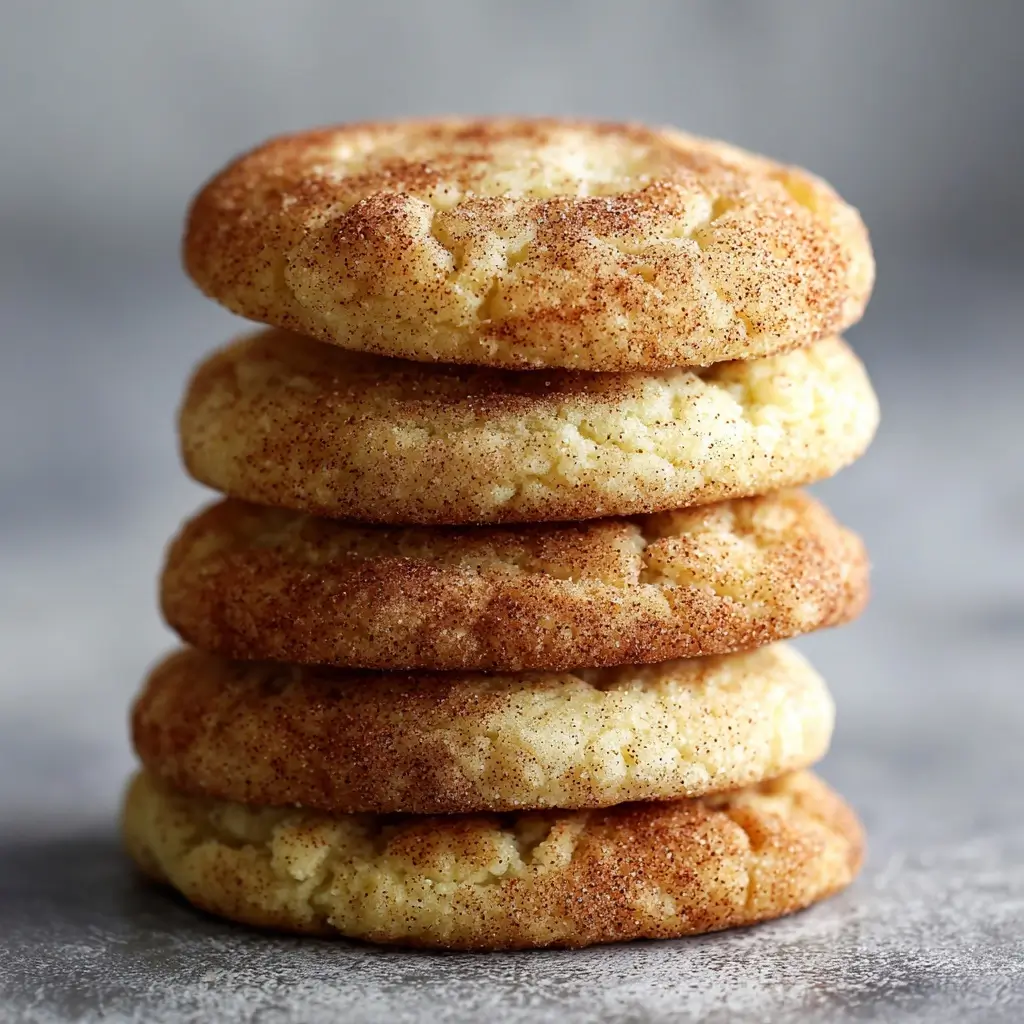
Thick Bakery-Style Snickerdoodles: A Soft, Chewy, Cinnamon-Sugar Dream
The History of Snickerdoodles: A Cookie with Character
The snickerdoodle cookie, with its iconic crackled surface and cinnamon-sugar coating, holds a special place in American baking tradition. While its exact origins remain delightfully mysterious, most culinary historians believe the snickerdoodle emerged in the late 19th or early 20th century, likely influenced by German or Dutch settlers in the United States. The name itself is whimsical and fun to say—“snickerdoodle”—and may derive from the German word “Schnecken,” meaning “snail” or “bun,” possibly referring to the rolled shape of some early versions. Others suggest it could come from “snicker,” a term for a chuckle or giggle, perhaps reflecting the playful nature of both the name and the cookie’s charmingly cracked appearance.
Snickerdoodles rose to widespread popularity in the mid-20th century, becoming a staple in home kitchens, church bake sales, and school fundraisers across America. Unlike many cookies that rely on chocolate or nuts for flavor, snickerdoodles stand out through their simplicity—a buttery vanilla base elevated by a generous swirl of cinnamon and sugar. Over time, bakers began experimenting with texture, leading to the modern preference for thick, bakery-style snickerdoodles: soft in the center, slightly chewy around the edges, and pillowy enough to rival a freshly baked roll from your favorite café.
Today, thick snickerdoodles are celebrated not just for their nostalgic appeal but also for their versatility. They pair beautifully with coffee, milk, or even ice cream, and their clean flavor profile makes them ideal for holiday platters, gift boxes, or afternoon treats. Whether you’re rediscovering childhood memories or discovering them for the first time, a well-made snickerdoodle delivers comfort in every bite.
Ingredients Breakdown: Why Every Component Matters
Crafting the perfect thick, bakery-style snickerdoodle isn’t just about following steps—it’s about understanding how each ingredient contributes to texture, flavor, and structure. Let’s dive deep into what goes into these irresistible cookies and why they can’t be substituted lightly.
- Unsalted Butter (1 cup, softened): The foundation of any great cookie. Using unsalted butter allows control over salt levels while ensuring freshness. Softened (not melted) butter creams smoothly with sugar, creating air pockets that help the cookie rise and stay tender.
- Granulated Sugar (1 ½ cups): Provides sweetness and aids in spreading during baking. Combined with creaming, it helps create that signature light crumb.
- Brown Sugar (½ cup, packed): Adds moisture and depth thanks to molasses. It enhances chewiness and gives the cookie a subtle caramel note that complements the cinnamon perfectly.
- Large Eggs (2): Bind ingredients together and add richness. Room temperature eggs incorporate more evenly, preventing curdling when mixed with butter and sugar.
- Pure Vanilla Extract (2 teaspoons): Enhances overall flavor and adds warmth. Real vanilla—not imitation—is essential for that authentic bakery aroma.
- All-Purpose Flour (2 ¾ cups): The structural backbone. Measured correctly (spooned and leveled), it ensures cookies are thick without being dense. Too much flour leads to dryness; too little causes excessive spread.
- Cream of Tartar (2 teaspoons): This is the secret weapon. Cream of tartar reacts with baking soda to create carbon dioxide bubbles, giving snickerdoodles their classic tang and slight lift. It also stabilizes egg whites and slows sugar crystallization, contributing to a soft interior.
- Baking Soda (1 teaspoon): Works with cream of tartar as a leavening agent. Alone, it would make the cookie too alkaline; together, they balance pH and promote even rising.
- Salt (½ teaspoon): Balances sweetness and enhances all other flavors. Omitting salt dulls the overall taste experience.
- Coarse Sugar + Cinnamon Coating (¼ cup sugar + 3 tablespoons ground cinnamon): This mixture creates the dazzling, crunchy outer shell. Coarse sugar adds texture and sparkle, while a generous amount of cinnamon delivers that bold, spicy-sweet punch synonymous with snickerdoodles.
Optional additions like a pinch of nutmeg or cardamom can deepen complexity, but purists will argue that true snickerdoodles should remain pure—vanilla, butter, cinnamon, and sugar in perfect harmony.
Step-by-Step Recipe: How to Bake Thick, Gooey, Bakery-Quality Snickerdoodles at Home
Follow this detailed method to achieve snickerdoodles that look and taste like they came from a high-end bakery—plump, domed, and bursting with warm spice.
- Preheat & Prep: Begin by preheating your oven to 375°F (190°C). Line two large baking sheets with parchment paper or silicone baking mats. This prevents sticking and ensures even browning.
- Cream Butter and Sugars: In a large mixing bowl, beat the softened unsalted butter, granulated sugar, and brown sugar together using a hand mixer or stand mixer fitted with the paddle attachment. Mix on medium speed for 2–3 minutes until light, fluffy, and pale yellow. Scrape down the sides of the bowl as needed.
- Add Wet Ingredients: Beat in the eggs one at a time, allowing each to fully incorporate before adding the next. Then mix in the vanilla extract. The mixture should be smooth and emulsified.
- Combine Dry Ingredients: In a separate bowl, whisk together the all-purpose flour, cream of tartar, baking soda, and salt. Whisk thoroughly to ensure even distribution—especially important for leavening agents.
- Mix Dry into Wet: Gradually add the dry ingredients to the wet mixture, mixing on low speed until just combined. Do not overmix—this develops gluten and can lead to tough cookies. Stop as soon as no flour streaks remain.
- Chill the Dough (Key Step!): Cover the dough tightly and refrigerate for at least 1 hour, preferably 2 hours or up to 48 hours. Chilling solidifies the fat, reduces spread, and intensifies flavor. For extra-thick cookies, chilling is non-negotiable.
- Prepare Cinnamon-Sugar Coating: While the dough chills, mix ¼ cup granulated sugar with 3 tablespoons ground cinnamon in a small bowl. Stir well and set aside.
- Scoop and Roll: Once chilled, remove dough from fridge. Use a cookie scoop (about 3 tablespoons per cookie) to portion dough into balls. Roll each ball between your palms to form a smooth sphere, then roll generously in the cinnamon-sugar mixture until completely coated.
- Arrange on Baking Sheet: Place dough balls at least 3 inches apart on prepared baking sheets. Crowding causes uneven baking and fusion—nobody wants conjoined cookies!
- Bake Until Puffed and Cracked: Bake for 10–12 minutes. The cookies are done when puffy, golden around the edges, and still soft in the center. They should appear slightly underdone—that’s how you get that bakery-style chew. The cracks on top will glisten with cinnamon sugar.
- Cool Properly: Let cookies cool on the baking sheet for 5 minutes before transferring to a wire rack to cool completely. This rest allows internal structure to set without collapsing.
You’ll yield approximately 18–20 large, thick snickerdoodles. Store leftovers in an airtight container at room temperature for up to 5 days—or freeze for longer enjoyment.
Tips for Perfect Thick Snickerdoodles Every Time
- Use Room Temperature Ingredients: Cold eggs or butter won’t blend properly, leading to separation. Take butter out 1–2 hours ahead or cut into cubes to soften faster.
- Don’t Skip the Chill: Warm dough spreads too much. Refrigeration firms the butter so cookies hold their shape and rise upward instead of flattening out.
- Measure Flour Correctly: Spoon flour into your measuring cup and level off with a knife. Scooping directly packs flour and results in dry, dense cookies.
- Invest in a Cookie Scoop: A #20 or #16 scoop ensures uniform size and thickness, which means even baking. Plus, it makes rolling neater and faster.
- Underbake Slightly: Pull cookies out when centers still look soft—they continue cooking on the hot tray. Overbaked snickerdoodles lose their chew.
- Double Pan Trick: For ultra-thick cookies, place one baking sheet on top of another (double-layered). This insulates the bottom and slows heat transfer, reducing spread and promoting vertical rise.
- Re-Crisp if Needed: If cookies lose crunch, pop them in a 300°F oven for 3–5 minutes to revive texture.
- Rotate the Pan: Halfway through baking, rotate the pan front-to-back for even browning, especially if your oven has hot spots.
Variations and Customizations: Make It Your Own
While classic snickerdoodles are timeless, there’s plenty of room for creativity. Here are some delicious twists to try:
- Gluten-Free Snickerdoodles: Substitute all-purpose flour with a quality 1:1 gluten-free baking blend (like Bob’s Red Mill or King Arthur). Add ½ teaspoon xanthan gum if not included in the mix.
- Soft-Baked Mini Versions: Use a teaspoon-sized scoop for bite-sized treats. Reduce baking time to 7–9 minutes.
- Stuffed Snickerdoodles: Press a square of white chocolate, a marshmallow, or a spoonful of dulce de leche into the center of each dough ball before rolling in sugar.
- Spiced Upgrade: Add ¼ teaspoon nutmeg, allspice, or pumpkin pie spice to the dry ingredients for a warmer, cozier profile—perfect for fall and winter.
- Lemon Zest Twist: Add 1 tablespoon finely grated lemon zest to the dough for a bright, citrusy contrast to the cinnamon.
- Sea Salt Finish: After baking, sprinkle a tiny flake of Maldon sea salt on each cookie for a gourmet sweet-and-salty effect.
- Chocolate-Dipped: Once cooled, dip half of each cookie in melted dark, milk, or white chocolate and let harden on parchment.
- Overnight Dough: Prepare the dough a day in advance. Chilling overnight deepens flavor and improves texture.
- Crinkle-Topped: Roll dough twice in cinnamon sugar before baking for an extra-crackled, snow-dusted look.
- Vegan Option: Replace butter with vegan butter (e.g., Earth Balance), eggs with flax eggs (1 tbsp ground flax + 3 tbsp water per egg), and use plant-based sugar (some sugars are processed with bone char).
Health Considerations and Nutritional Value
Snickerdoodles are undeniably indulgent, but understanding their nutritional makeup helps you enjoy them mindfully.
Nutrition per Serving (1 large cookie, ~65g):
- Calories: ~320
- Total Fat: 14g (mostly from butter)
- Saturated Fat: 8g
- Cholesterol: 50mg
- Sodium: 180mg
- Total Carbohydrates: 47g
- Dietary Fiber: 1g
- Sugars: 30g (includes added sugars from coating)
- Protein: 3g
Health Notes:
- High in Added Sugar: With nearly 30g of sugar per cookie, moderation is key—especially for those managing blood sugar, diabetes, or weight.
- Low in Fiber and Protein: These nutrients help with satiety. Pairing a snickerdoodle with a glass of milk or a handful of nuts balances the meal.
- Gluten Content: Traditional recipe contains gluten. Gluten-sensitive individuals should opt for certified GF flour blends.
- Butter vs. Margarine: Real butter provides better flavor and texture, though higher in saturated fat. Some studies suggest moderate butter consumption may not be as harmful as once believed, but consult dietary guidelines based on individual health needs.
- Kid-Friendly: Snickerdoodles are generally safe for children (unless allergic to dairy, eggs, or wheat), but limit portions due to sugar content.
Enjoy snickerdoodles as an occasional treat rather than a daily snack. Their emotional and cultural value—comfort, celebration, nostalgia—can be just as nourishing as nutrition facts.
Ingredients
- 1 cup (2 sticks / 227g) unsalted butter, softened
- 1 ½ cups (300g) granulated sugar, divided
- ½ cup (100g) packed light brown sugar
- 2 large eggs, room temperature
- 2 teaspoons pure vanilla extract
- 2 ¾ cups (345g) all-purpose flour
- 2 teaspoons cream of tartar
- 1 teaspoon baking soda
- ½ teaspoon salt
- 3 tablespoons (24g) ground cinnamon
Directions
- Preheat oven to 375°F (190°C). Line baking sheets with parchment or silicone mats.
- In a large bowl, cream together butter, 1 cup granulated sugar, and brown sugar until light and fluffy (2–3 minutes).
- Beat in eggs one at a time, then stir in vanilla.
- In a separate bowl, whisk flour, cream of tartar, baking soda, and salt.
- Gradually mix dry ingredients into wet until just combined. Do not overmix.
- Cover and refrigerate dough for 1–2 hours.
- In a small bowl, mix remaining ¼ cup granulated sugar with cinnamon.
- Scoop dough into 3-tablespoon balls. Roll each in cinnamon-sugar until fully coated.
- Place 3 inches apart on baking sheets.
- Bake 10–12 minutes until puffed and cracked, with set edges but soft centers.
- Cool on baking sheet for 5 minutes, then transfer to wire rack.
- Store in airtight container for up to 5 days or freeze for 3 months.
FAQ
Q: Why are my snickerdoodles flat?
A: Likely causes: warm dough, too much butter, old leavening agents, or skipping the chill. Always refrigerate dough for at least 1 hour.
Q: Can I make snickerdoodles without cream of tartar?
A: Technically yes, but they won’t be true snickerdoodles. You can substitute with 2 teaspoons baking powder, but you’ll lose the signature tang and texture.
Q: Can I freeze the dough?
A: Absolutely! Portion into balls, roll in sugar, and freeze on a tray. Once solid, transfer to a bag. Bake frozen—add 1–2 minutes to baking time.
Q: Why do my cookies crack?
A: Cracking is normal—and desirable! It happens as the exterior sets while the inside rises, creating the classic snickerdoodle look.
Q: Can I use margarine instead of butter?
A: Not recommended. Margarine has higher water content and can cause spreading and greasiness. Stick with real butter for best results.
Q: Are snickerdoodles supposed to be soft?
A: Yes! Bakery-style snickerdoodles are soft, slightly chewy, and tender—not crisp or crunchy. Overbaking leads to dryness.
Q: How do I keep them soft?
A: Store in an airtight container with a slice of bread—the bread releases moisture and keeps cookies soft for days.
Summary
These thick, bakery-style snickerdoodles deliver everything you crave: a tender, melt-in-your-mouth center, a delicate chew, and a bold cinnamon-sugar crust that crackles with every bite.
Baked fresh, shared with love, and enjoyed slowly, they’re more than a cookie—they’re a moment of joy wrapped in warmth and nostalgia.