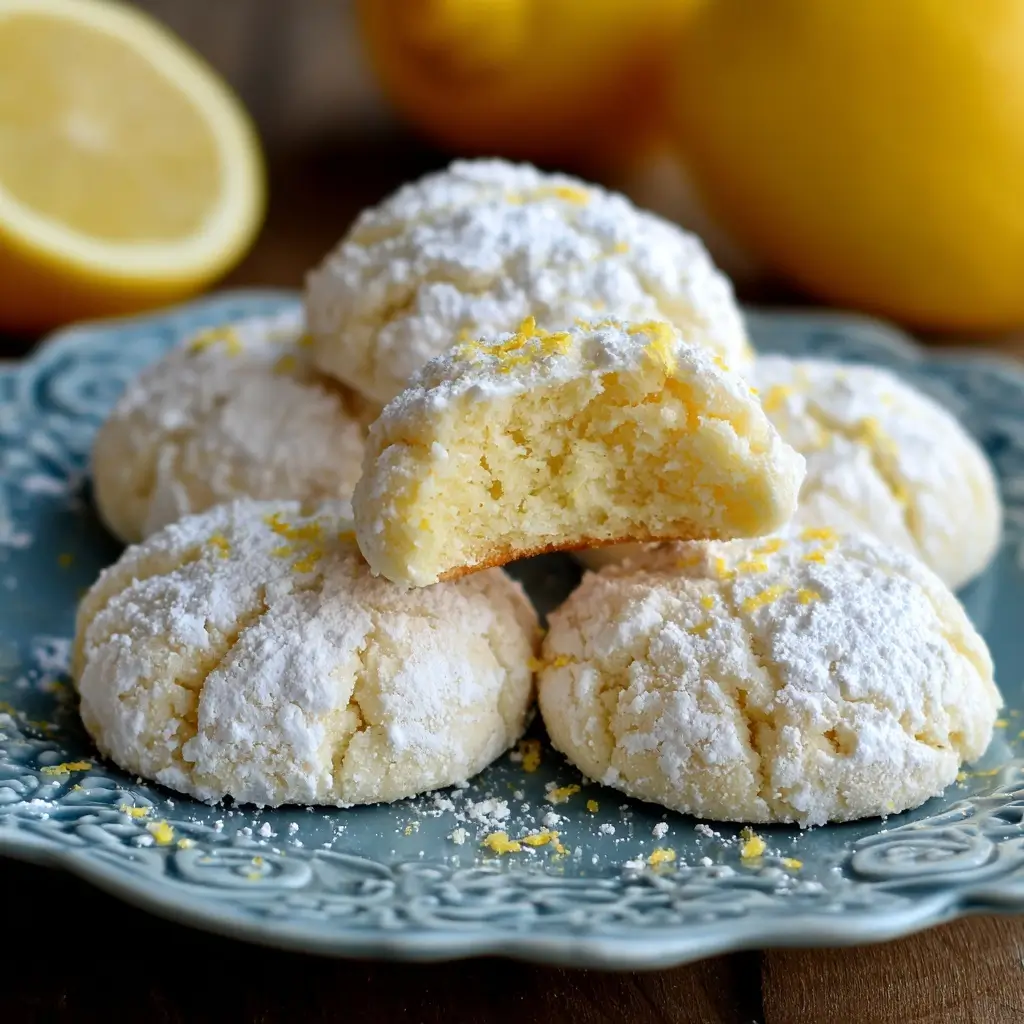
Lemon Meltaway Cookies: A Zesty, Buttery Delight That Dissolves on Your Tongue
Indulge in the bright, citrusy flavor and delicate texture of Lemon Meltaway Cookies—perfectly tender treats that crumble at first bite, leaving behind a refreshing lemon finish. These cookies are ideal for afternoon tea, holiday gift-giving, or anytime you crave something sweet with a zing.
The History of Lemon Meltaway Cookies
The origins of meltaway-style cookies can be traced back to European baking traditions, particularly in countries like Germany, Austria, and France, where shortbread-like confections have been cherished for centuries. Known for their fine crumb and rich butter content, these types of cookies were often served during festive occasions such as Christmas and Easter. The “meltaway” moniker comes from their signature characteristic: they literally seem to dissolve in your mouth due to their high fat content and minimal flour structure.
Lemon Meltaway Cookies, while not rooted in one specific historical recipe, represent a modern twist on this classic concept. As American bakers began experimenting with citrus flavors in the mid-20th century—especially with the increased availability of fresh lemons and bottled lemon juice—zesty variations emerged. By incorporating lemon zest, juice, and sometimes even lemon oil into traditional shortbread bases, bakers created a lighter, more vibrant alternative to chocolate or vanilla-based meltaways.
These cookies gained popularity in the 1980s and 1990s through community cookbooks, women’s guild publications, and early food blogs. Today, Lemon Meltaway Cookies are a staple in many home kitchens, especially around spring and summer holidays, bridal showers, and baby celebrations due to their cheerful color and refreshing taste.
Ingredients Breakdown: What Makes These Cookies So Irresistible?
The magic of Lemon Meltaway Cookies lies in the careful balance of simple, high-quality ingredients. Each component plays a crucial role in creating the signature texture and bold citrus flavor:
- Unsalted Butter (1 cup, softened): The foundation of any meltaway cookie. Using unsalted butter allows you to control the salt level precisely. Softened butter ensures smooth creaming with sugar, which incorporates air for a light texture.
- Powdered Sugar (1/2 cup): Also known as confectioners’ sugar, it blends seamlessly into the dough without adding graininess. It also contributes to the tender, melt-in-your-mouth quality and helps form a fine crumb structure.
- Vanilla Extract (1 teaspoon): Adds warmth and depth to complement the sharpness of lemon. Pure extract is recommended over imitation for superior flavor.
- Lemon Zest (from 2 large lemons): This is where much of the intense lemon aroma comes from. The oils in the peel provide an unmatched freshness that bottled juice alone cannot replicate.
- Fresh Lemon Juice (2 tablespoons): Brings tangy brightness and slight acidity, balancing the sweetness. Freshly squeezed juice is essential—bottled versions lack vibrancy and may contain preservatives.
- All-Purpose Flour (2 cups): Provides just enough structure to hold the cookie together while keeping it fragile. Sifted flour prevents lumps and ensures even distribution.
- Salt (1/4 teaspoon): Enhances all other flavors and counteracts excessive sweetness.
- Cornstarch (2 tablespoons, optional): Some recipes include cornstarch to make the cookies even more tender and soft. It inhibits gluten development, resulting in a silkier mouthfeel.
For the glaze (optional but highly recommended):
- Powdered Sugar (1 1/2 cups): Forms the base of the glaze.
- Fresh Lemon Juice (3–4 tablespoons): Adjusts consistency and intensifies lemon flavor.
- Lemon Extract (1/4 teaspoon, optional): Amplifies citrus notes in the icing.
- Food Coloring (a drop of yellow, optional): For a sunny appearance, though the natural yellow from zest often suffices.
Step-by-Step Recipe: How to Make Perfect Lemon Meltaway Cookies
Ingredients
- 1 cup (2 sticks / 226g) unsalted butter, softened to room temperature
- 1/2 cup (60g) powdered sugar
- 1 teaspoon pure vanilla extract
- Zest of 2 large lemons (about 2 tablespoons)
- 2 tablespoons fresh lemon juice
- 2 cups (240g) all-purpose flour, sifted
- 1/4 teaspoon salt
- 2 tablespoons cornstarch (optional, for extra tenderness)
For the Glaze:
- 1 1/2 cups (180g) powdered sugar
- 3–4 tablespoons fresh lemon juice
- 1/4 teaspoon lemon extract (optional)
- Yellow food coloring (a tiny drop, optional)
Directions
- Preheat Oven & Prepare Baking Sheets: Preheat your oven to 350°F (175°C). Line two or more baking sheets with parchment paper or silicone baking mats. Avoid greasing—the cookies are delicate and may spread too much if the surface is oily.
- Cream Butter and Sugar: In a large mixing bowl, use an electric hand mixer or stand mixer fitted with the paddle attachment to beat the softened butter until creamy and smooth, about 1 minute. Gradually add the 1/2 cup powdered sugar and continue beating on medium speed until the mixture is pale, fluffy, and well combined—approximately 2–3 minutes.
- Add Flavorings: Mix in the vanilla extract, lemon zest, and fresh lemon juice. Beat for another 30 seconds until fully incorporated and fragrant. Scrape down the sides of the bowl with a spatula to ensure everything is evenly mixed.
- Incorporate Dry Ingredients: In a separate bowl, whisk together the sifted flour, salt, and cornstarch (if using). Gradually add this dry mixture to the wet ingredients, mixing on low speed just until the dough comes together. Do not overmix—this can develop gluten and result in tough cookies.
- Chill the Dough (Optional but Recommended): Cover the dough with plastic wrap and refrigerate for 30–60 minutes. Chilling firms up the butter, preventing excessive spreading during baking and enhancing flavor melding.
- Shape the Cookies: Once chilled, roll the dough into small balls, about 1 inch in diameter (roughly 1 tablespoon per ball). Place them on the prepared baking sheets, spacing them at least 2 inches apart since they will spread slightly.
- Bake Until Light Gold: Bake for 10–12 minutes, rotating the pans halfway through for even baking. The edges should be very lightly golden, but the centers still soft. Overbaking will cause them to lose their meltaway texture.
- Cool Completely: Allow the cookies to cool on the baking sheet for 5 minutes before transferring them to a wire rack to cool completely. They are fragile when warm, so handle gently.
- Prepare the Glaze: While the cookies cool, prepare the glaze. In a medium bowl, whisk together the 1 1/2 cups powdered sugar, 3 tablespoons lemon juice, lemon extract (if using), and food coloring (if desired). Add additional lemon juice, one teaspoon at a time, until the glaze reaches a thick but pourable consistency—similar to heavy cream.
- Glaze the Cookies: Once the cookies are completely cool, dip the tops into the glaze or drizzle using a spoon or piping bag. You can also use a fork to lift each cookie and let excess glaze drip off. Place glazed cookies back on the wire rack (set over parchment or wax paper to catch drips) and allow the glaze to set for 30–60 minutes.
- Serve or Store: Enjoy immediately, or store in an airtight container once the glaze has hardened. For best texture, serve within 3–4 days.
Tips for Success: Mastering the Art of Lemon Meltaways
- Use Room-Temperature Butter: Cold butter won’t cream properly; melted butter will make the dough greasy. Let it sit out for 1–2 hours before starting.
- Don’t Skip the Zest: Most of the lemon flavor resides in the peel. Use a microplane grater for fine, aromatic zest without white pith.
- Measure Flour Correctly: Spoon flour into your measuring cup and level off with a knife. Scooping directly packs too much flour, leading to dry, crumbly cookies.
- Avoid Overmixing: Once flour is added, mix only until the dough forms. Overworking activates gluten and makes the cookies chewy instead of tender.
- Uniform Sizing: Use a small cookie scoop (like a #60 disher) for evenly sized balls. Consistent size ensures uniform baking.
- Cooling Is Crucial: Always cool cookies completely before glazing. Warm cookies will melt the glaze and create a messy appearance.
- Thicken Glaze If Needed: If your glaze runs too much, add more powdered sugar. If too thick, add more lemon juice sparingly.
- Double Batch Tip: This recipe doubles easily. Just make sure your mixer bowl isn’t overloaded—mix in batches if necessary.
Variations and Customizations: Make Them Your Own
Lemon Meltaway Cookies are wonderfully adaptable. Here are some creative ways to personalize them:
- Lime or Orange Meltaways: Swap lemon zest and juice for lime or orange. Lime versions pair beautifully with coconut in the dough or glaze, while orange works well with almond extract.
- Lemon-Rosemary Cookies: Add 1/2 teaspoon finely minced fresh rosemary to the dough for an herbal twist—elegant and sophisticated.
- Gluten-Free Version: Replace all-purpose flour with a 1:1 gluten-free baking blend (such as Bob’s Red Mill or King Arthur). Add 1 extra tablespoon of cornstarch for improved texture.
- Dairy-Free Option: Substitute butter with a high-fat plant-based alternative like Miyoko’s Creamery or Earth Balance sticks (not spreads).
- Colored Glazes: Divide the glaze and tint different portions with natural food colors—pink (beet powder), green (matcha), or sky blue (spirulina + water)—for themed parties.
- Sparkling Sugar Top: Before baking, sprinkle rolled dough balls with coarse sparkling sugar for a subtle crunch and festive shimmer.
- Mini Sandwiches: After glazing, press two small cookies together with a dab of lemon curd in the middle for a decadent treat.
- Herbed Citrus Blend: Combine lemon with a touch of grapefruit zest and thyme for a complex, gourmet profile.
Health Considerations and Nutritional Value
While Lemon Meltaway Cookies are undeniably delicious, it’s important to enjoy them in moderation due to their sugar and fat content. Here’s a general nutritional breakdown per serving (1 cookie, unglazed, based on 24 cookies per batch):
- Calories: ~120–140 kcal
- Total Fat: 7–8g (mostly from butter)
- Saturated Fat: 4–5g
- Carbohydrates: 14–16g
- Sugars: 6–8g (naturally occurring and added)
- Protein: 1–2g
- Sodium: ~50mg
Considerations:
- High in Saturated Fat: Due to butter content, frequent consumption may impact heart health, especially for those monitoring cholesterol.
- Low Fiber & Protein: These cookies offer little satiety, so pairing with fruit, yogurt, or nuts can balance the snack.
- Sugar Content: Both dough and glaze contain significant added sugars. Diabetics should consume cautiously or consider reduced-sugar alternatives (though texture may change).
- Gluten Content: Contains wheat flour; not suitable for celiacs unless adapted with GF flour.
- Allergens: Contains dairy (butter), wheat (gluten), and possibly tree nuts if served with nut-containing accompaniments.
On the positive side, lemons contribute vitamin C and antioxidants. Though the amount per cookie is small, the zest does deliver beneficial phytonutrients like limonene, which has been studied for its anti-inflammatory properties.
Frequently Asked Questions (FAQ)
Q: Why are my Lemon Meltaway Cookies spreading too much?
A: This usually happens if the butter was too soft or melted, the dough wasn’t chilled, or too much liquid (lemon juice) was added. Always use softened—not melted—butter and chill the dough before baking.
Q: Can I freeze Lemon Meltaway Cookies?
A: Yes! Freeze unbaked dough balls on a tray, then transfer to a freezer bag. Bake straight from frozen, adding 1–2 minutes to baking time. Fully baked cookies (unglazed) can be frozen for up to 3 months; thaw and glaze when ready to serve.
Q: Can I make these without a mixer?
A: Yes, though it will take more effort. Use a sturdy spatula or wooden spoon to cream the butter and sugar by hand. Ensure the butter is very soft and work in small circular motions to incorporate air.
Q: My glaze is cracking—what went wrong?
A: Cracking often occurs if the glaze is applied too thickly or if the cookies aren’t fully cooled. Make sure the cookies are at room temperature and apply a thin, even layer.
Q: Can I use lemon extract instead of zest?
A: Not as a full substitute. Extract lacks the bright, fresh top notes of real zest. You can enhance flavor by adding 1/4 tsp lemon extract along with the zest, but don’t replace it entirely.
Q: How long do these cookies last?
A: Stored in an airtight container at room temperature, they stay fresh for 4–5 days. In humid climates, they may soften faster. For longer storage, keep in the fridge (up to 1 week) or freeze.
Q: Are these cookies the same as shortbread?
A: They’re closely related. Traditional shortbread has a higher butter-to-flour ratio and no leavening. Lemon Meltaways are a flavored variation with added sugar and citrus, making them slightly sweeter and more aromatic.
Summary
Lemon Meltaway Cookies are buttery, citrus-infused delights that crumble softly in your mouth, offering a perfect balance of sweet and tart with every bite. Easy to make and endlessly customizable, they’re a timeless treat for bakers of all levels.