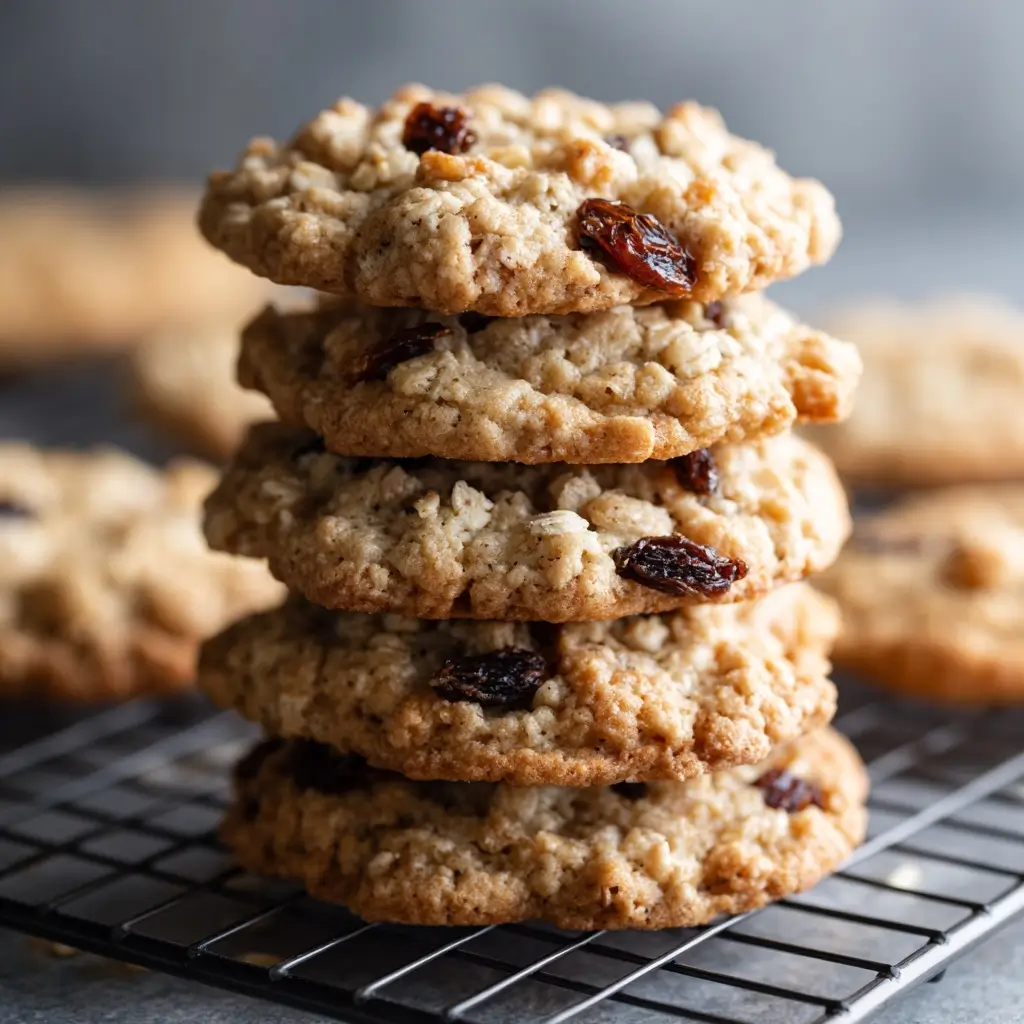
Oatmeal Raisin Cookies That Stay Soft: A Complete Guide
The History of Oatmeal Raisin Cookies
Oatmeal raisin cookies have a long and rich history that traces back to the early 20th century, though their roots go even deeper into traditional British and Scottish baking. Oats were a staple in the diets of people across northern Europe for centuries, often used in porridge or baked into dense, hearty breads. When Scottish immigrants brought their oat-based recipes to North America, they adapted them using local ingredients like brown sugar, butter, and dried fruit—particularly raisins.
The modern version of the oatmeal raisin cookie began gaining popularity in the United States during the 1930s, thanks in part to recipe publications and the growing availability of pre-rolled oats. One of the earliest known printed recipes resembling today’s oatmeal raisin cookie appeared in a 1935 cookbook by Mrs. W.T. Crockett titled Six Thousand Recipes. However, it wasn’t until the post-World War II era that these cookies became a household favorite, especially as home bakers embraced convenience ingredients like quick oats and packaged brown sugar.
By the 1980s and 1990s, oatmeal raisin cookies had cemented their place in American culture—not only as a homemade treat but also as a grocery store and bakery staple. Often touted as a “healthier” alternative to chocolate chip cookies (though debatable), they were commonly associated with school lunches, office break rooms, and grandmotherly care packages. Today, with the rise of whole grains and natural sweeteners in modern diets, oatmeal raisin cookies continue to evolve—staying soft, chewy, and deeply comforting with every batch.
Ingredients Breakdown: Why Each One Matters
The secret to perfectly soft oatmeal raisin cookies lies not just in technique but in understanding each ingredient’s role. Let’s take a deep dive into the components that make these cookies stay soft for days:
- Old-Fashioned Rolled Oats: These provide the signature chewy texture and nutty flavor. Unlike instant oats, which can turn mushy, and steel-cut oats, which are too dense, rolled oats absorb moisture evenly and maintain structure during baking. They also contribute to sustained softness over time.
- Butter (Unsalted): Butter adds richness, flavor, and tenderness. Using unsalted butter allows you to control the salt content. For soft cookies, softened (not melted) butter is key—it traps air when creamed with sugar, creating a light yet moist crumb.
- Brown Sugar (Packed): This is the MVP for softness. Brown sugar contains molasses, which is hygroscopic—meaning it attracts and retains moisture. The more brown sugar you use relative to white sugar, the softer and chewier your cookies will be. Dark brown sugar enhances both moisture and depth of flavor.
- White Granulated Sugar: While less moist than brown sugar, it still contributes to spread and caramelization. A small amount balances sweetness and helps create the perfect texture without making the cookies overly dense.
- Eggs (Large): Eggs act as a binder and add moisture. The proteins help set the structure while the fat in the yolk enriches the dough. Room-temperature eggs blend more smoothly into the batter, preventing curdling.
- Vanilla Extract: Pure vanilla extract enhances overall flavor, rounding out the sweetness and bringing warmth to the spices. It doesn’t affect texture directly but elevates the sensory experience.
- All-Purpose Flour: Provides structure through gluten formation. Too much flour leads to dry, tough cookies, so spooning and leveling (not scooping) is crucial. A slight reduction in flour can yield softer results.
- Baking Soda: Acts as a leavening agent, helping the cookies rise slightly and spread evenly. It also reacts with the acidity in brown sugar and buttermilk (if used), creating tiny air pockets that contribute to a tender bite.
- Cinnamon: Adds warmth and complements the natural sweetness of raisins and oats. Cinnamon also has mild preservative qualities due to its antioxidants, potentially extending freshness.
- Salt: Balances sweetness and enhances all other flavors. Even a small pinch makes a noticeable difference in taste complexity.
- Raisins: Plump, juicy raisins are essential. Soaking them beforehand ensures they don’t absorb moisture from the dough during baking or storage. Golden raisins offer a milder, sweeter alternative to dark raisins.
- Optional Add-Ins: Some bakers include shredded carrots, chopped apples, nuts (like walnuts or pecans), or even a splash of orange zest for extra dimension. These additions can influence moisture retention and texture.
Step-by-Step Recipe: How to Make Oatmeal Raisin Cookies That Stay Soft
Ingredients
- 1 cup (2 sticks / 226g) unsalted butter, softened to room temperature
- 1 cup (220g) packed dark brown sugar
- ½ cup (100g) granulated sugar
- 2 large eggs, room temperature
- 2 teaspoons pure vanilla extract
- 1¾ cups (220g) all-purpose flour (spooned and leveled)
- 1 teaspoon baking soda
- 1 teaspoon ground cinnamon
- ½ teaspoon salt
- 3 cups (270g) old-fashioned rolled oats
- 1½ cups (255g) raisins (preferably soaked)
- Optional: ½ cup chopped walnuts or pecans
Directions
- Soak the Raisins (Key Step for Softness): Place raisins in a heatproof bowl. Cover with hot water or apple juice and let soak for 10–15 minutes. Drain well and pat dry with a paper towel. Set aside. This plumps the raisins and prevents them from drying out the cookies.
- Preheat Oven & Prepare Baking Sheets: Preheat oven to 350°F (177°C). Line two large baking sheets with parchment paper or silicone baking mats. Avoid greasing—this can cause excessive spreading.
- Cream Butter and Sugars: In a large mixing bowl, beat softened butter, brown sugar, and granulated sugar together on medium speed until creamy and fluffy (about 2–3 minutes). Scrape down the sides as needed.
- Add Wet Ingredients: Beat in eggs one at a time, mixing well after each addition. Stir in vanilla extract. The mixture should be smooth and emulsified.
- Mix Dry Ingredients: In a separate bowl, whisk together flour, baking soda, cinnamon, and salt until fully combined.
- Combine Wet and Dry Mixtures: Gradually add the dry ingredients to the wet mixture on low speed, mixing just until incorporated. Do not overmix.
- Fold in Oats and Raisins: Stir in the rolled oats by hand using a wooden spoon or spatula. Then fold in the drained raisins and any optional add-ins like nuts. The dough will be thick but scoopable.
- Scoop Dough: Use a cookie scoop or tablespoon to portion dough into balls, about 1.5 tablespoons each. Roll them evenly and place at least 2 inches apart on prepared baking sheets. Slightly flatten the top of each ball with your palm or the back of a spoon—this promotes even baking and chewiness.
- Bake: Bake one sheet at a time in the center of the oven for 10–12 minutes, or until the edges are lightly golden but the centers still look soft and underbaked. The cookies will firm up as they cool.
- Cool on Sheet: Remove from oven and let cookies rest on the baking sheet for 10 minutes before transferring to a wire rack to cool completely. This resting period allows them to set without cracking and locks in moisture.
- Store Properly: Once cooled, store in an airtight container at room temperature with a slice of bread or half an apple to maintain softness (the bread absorbs excess moisture from the air and releases it back to the cookies).
Tips for Ensuring Your Cookies Stay Soft
- Use More Brown Sugar: Increase the ratio of brown to white sugar. Try 1¼ cups brown sugar and ¼ cup white sugar for ultra-soft results.
- Don’t Overbake: Remove cookies when they look slightly underdone. They continue cooking on the hot tray. Overbaking = hard cookies.
- Chill the Dough (Optional): For thicker, chewier cookies, chill the dough for 30–60 minutes before baking. This prevents overspreading and concentrates flavor.
- Measure Flour Correctly: Spoon flour into the measuring cup and level off. Scooping packs it down, leading to dry cookies.
- Add Moisture Boosters: Consider adding 1–2 tablespoons of honey, molasses, or even applesauce to the wet ingredients for extra moisture retention.
- Avoid Convection Mode: If using a convection oven, reduce temperature by 25°F and watch closely—convection dries out foods faster.
- Room Temperature Ingredients: Cold butter or eggs can cause uneven mixing and lead to denser cookies.
- Reuse Parchment Paper: Baking on used parchment creates a slightly darker bottom, which some say enhances chewiness due to residual fats.
- Freeze for Freshness: Freeze unbaked dough balls on a tray, then transfer to a freezer bag. Bake straight from frozen—add 1–2 minutes to baking time.
Variations and Customizations
While classic oatmeal raisin cookies are beloved, there are countless ways to personalize them. Here are some delicious twists:
- Oat Swap: Replace up to half the rolled oats with quick oats for a finer texture, or use gluten-free certified oats for a GF version.
- Fruit Variations: Substitute raisins with dried cranberries, chopped dates, dried cherries, or apricots. Soak any dried fruit for best results.
- Nutty Crunch: Add toasted pecans, walnuts, or almonds for crunch and healthy fats. Toasting intensifies flavor.
- Spice It Up: Add nutmeg, cloves, ginger, or cardamom for a spiced variation—perfect for fall and winter.
- Chocolate Lovers: Mix in dark chocolate chips or chunks for a hybrid oatmeal chocolate chip raisin cookie.
- Coconut Bliss: Fold in ½ cup shredded coconut (toasted or raw) for tropical flair.
- Protein Boost: Stir in ¼ cup unflavored whey protein or oat protein powder—adjust flour if needed to balance dryness.
- Vegan Version: Use plant-based butter, flax eggs (1 tbsp ground flax + 3 tbsp water per egg), and ensure sugars are vegan-certified.
- Reduced Sugar: Use coconut sugar or monk fruit blend, though texture may vary slightly. Keep at least some brown sugar for moisture.
- Mini Cookies: Make bite-sized versions using a teaspoon of dough—bake for 8–9 minutes for lunchboxes or parties.
Health Considerations and Nutritional Value
Oatmeal raisin cookies are often seen as a healthier cookie option—and while they’re not low-calorie, they do offer some nutritional advantages over other types of cookies:
- Fiber-Rich: Rolled oats are a great source of soluble fiber, particularly beta-glucan, which supports heart health and helps regulate blood sugar levels.
- Complex Carbohydrates: Oats provide slow-releasing energy, making these cookies a better snack choice than those made with refined flour and sugar alone.
- Iron and Antioxidants: Raisins contain iron, potassium, and antioxidants like resveratrol, which may support circulation and cellular health.
- Healthy Fats: Nuts (if added) contribute monounsaturated fats, beneficial for heart and brain function.
- Lower Glycemic Index: Compared to chocolate chip or sugar cookies, oatmeal raisin cookies generally have a lower glycemic index, meaning they cause a slower rise in blood sugar.
Nutrition Estimate (Per Cookie, based on 24 cookies):
| Calories | 180 kcal |
| Total Fat | 8g |
| Saturated Fat | 5g |
| Cholesterol | 25mg |
| Sodium | 95mg |
| Total Carbohydrates | 26g |
| Dietary Fiber | 2g |
| Sugars | 16g |
| Protein | 3g |
Note: Values may vary depending on exact ingredients and substitutions. To reduce calories or sugar, consider using less sugar, adding applesauce, or using a sugar substitute compatible with baking.
Frequently Asked Questions (FAQ)
Q: Why are my oatmeal raisin cookies hard?
A: Hard cookies usually result from overbaking, too much flour, or insufficient moisture. Ensure you measure flour correctly, don’t overmix, and remove cookies from the oven when centers still look soft.
Q: How do I keep oatmeal raisin cookies soft longer?
A: Store them in an airtight container with a slice of bread or a piece of apple. The cookies will absorb moisture from the bread/fruit and stay soft for up to 1 week.
Q: Can I freeze oatmeal raisin cookies?
A: Yes! Both baked cookies and unbaked dough freeze well. Wrap tightly in plastic and store in freezer bags for up to 3 months. Thaw at room temperature or bake from frozen.
Q: Can I use quick oats instead of old-fashioned oats?
A: Yes, but the texture will be denser and less chewy. Quick oats absorb liquid faster and can make cookies cakey. For best results, stick with old-fashioned oats.
Q: Do I really need to soak the raisins?
A: Soaking isn’t mandatory, but it significantly improves softness. Dry raisins pull moisture from the dough over time, leading to harder cookies days later.
Q: Can I make these gluten-free?
A: Absolutely. Use certified gluten-free oats and swap all-purpose flour for a 1:1 gluten-free baking blend (with xanthan gum included).
Q: Why did my cookies spread too much?
A: Likely causes include melted butter, warm dough, or too little flour. Chill the dough before baking and ensure butter is softened—not liquid.
Q: Are oatmeal raisin cookies healthy?
A: They’re healthier than many cookies due to fiber and whole grains, but they still contain sugar and fat. Enjoy in moderation as part of a balanced diet.
Summary
Oatmeal raisin cookies that stay soft are achievable with the right ingredients, technique, and storage methods—focusing on moisture-rich components like brown sugar, proper oat selection, and avoiding overbaking. With this comprehensive guide, you can bake bakery-quality, chewy cookies that remain deliciously soft for days.