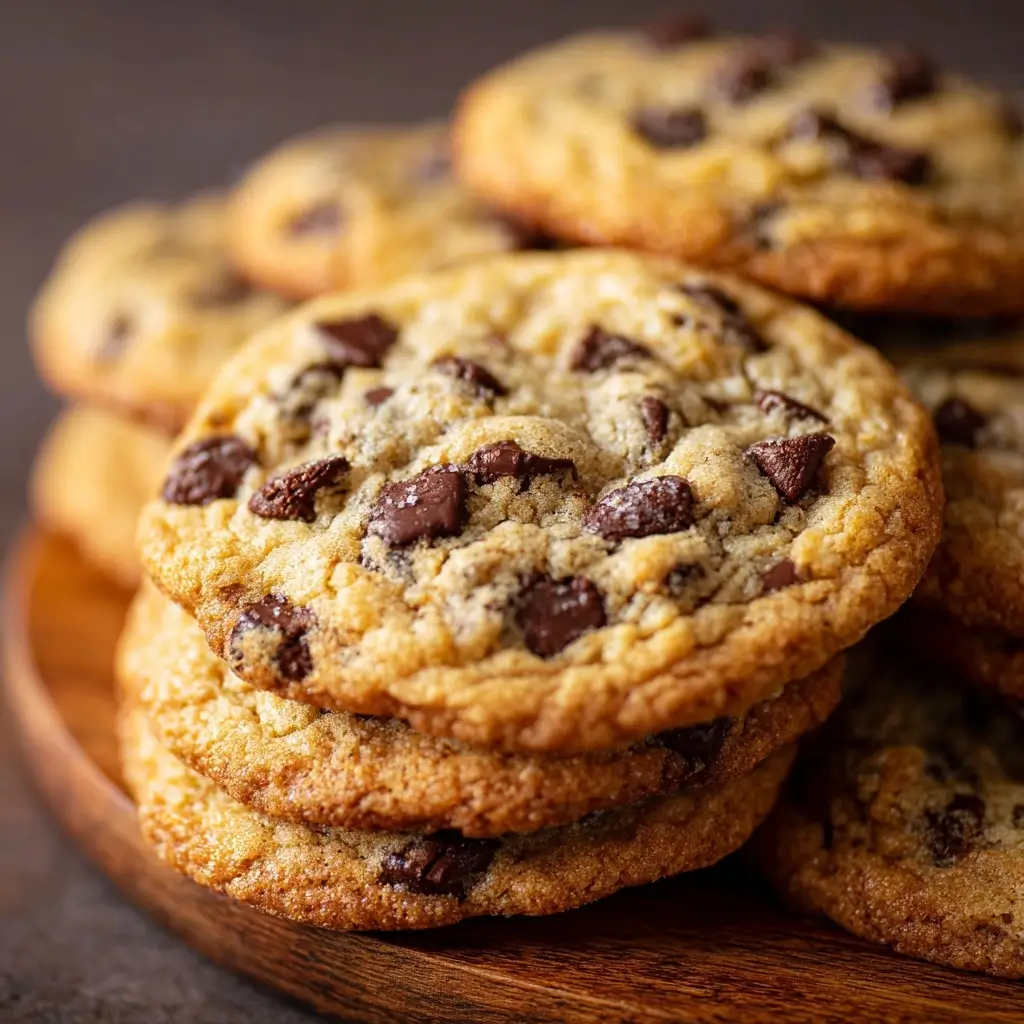
Bakery-Style Chocolate Chip Cookies: A Decadent Homemade Delight
The History of the Beloved Chocolate Chip Cookie
The story of the chocolate chip cookie is as rich and sweet as the treat itself. It all began in the 1930s at the Toll House Inn in Whitman, Massachusetts, where Ruth Wakefield was experimenting with her butter drop sugar cookie recipe. Legend has it that she ran out of baker’s chocolate and decided to substitute a chopped-up bar of Nestlé semi-sweet chocolate, expecting it to melt and blend into the dough. To her surprise, the chocolate held its shape, creating pockets of gooey richness throughout the cookies. She named them “Toll House Chocolate Crunch Cookies,” and soon after, Nestlé began selling chocolate chips specifically for this purpose—marking the birth of one of America’s most iconic desserts.
Over the decades, the chocolate chip cookie evolved from a humble kitchen accident into a cultural phenomenon. It became a symbol of comfort, home, and indulgence. Bakeries across the U.S. began crafting their own oversized, soft-centered, crispy-edged versions, elevating the classic home recipe into something grander—what we now know as “bakery-style” cookies. These larger-than-life treats are thick, chewy, and packed with melty chocolate, often served warm with a glass of milk. Today, the bakery-style chocolate chip cookie stands as the gold standard for cookie perfection—a must-have in any dessert lover’s repertoire.
Ingredients Breakdown: Why Each One Matters
Crafting truly exceptional bakery-style chocolate chip cookies isn’t just about following a recipe—it’s about understanding how each ingredient contributes to texture, flavor, and structure. Let’s dive deep into the components that make these cookies irresistible:
- Unsalted Butter (Softened): Butter provides richness and moisture while contributing to the cookie’s tender crumb. Using unsalted butter allows you to control the salt level precisely. Softening it to room temperature ensures even mixing and proper creaming with sugar, which incorporates air for a lighter texture.
- Granulated Sugar and Brown Sugar: This dynamic duo is essential. Granulated sugar adds sweetness and helps create a crisp edge, while brown sugar (especially dark brown) brings moisture, chewiness, and a hint of molasses depth. The combination results in a perfectly balanced texture—crisp on the outside, soft and chewy within.
- Large Eggs (Room Temperature): Eggs bind the ingredients together and contribute to structure and moisture. Room-temperature eggs blend more smoothly into the batter, preventing separation and ensuring a uniform consistency.
- Pure Vanilla Extract: High-quality vanilla extract enhances the overall flavor profile, adding warmth and complexity that complements the chocolate beautifully.
- All-Purpose Flour: Provides the structural backbone of the cookie. Measuring it correctly (spooned and leveled) prevents dry, dense cookies. Too much flour can lead to toughness, so precision matters.
- Baking Soda: Acts as a leavening agent, helping the cookies rise slightly and spread evenly during baking. It also promotes browning, giving the edges that desirable golden crust.
- Sea Salt or Kosher Salt: Enhances all the flavors and balances the sweetness. A pinch of salt makes the chocolate taste richer and the overall experience more satisfying.
- Semi-Sweet Chocolate Chips (and Chopped Chocolate Bars): For maximum chocolate impact, use a mix of high-quality chocolate chips and roughly chopped chocolate chunks. The uneven pieces create pockets of melted luxury in every bite. Opt for at least 60% cacao for a sophisticated, not-too-sweet flavor.
- Optional Add-Ins: Flaky sea salt for topping, espresso powder to intensify chocolate flavor, or toasted nuts like walnuts or pecans for crunch.
Step-by-Step Recipe: How to Make Bakery-Style Chocolate Chip Cookies
Follow this detailed method to achieve professional-quality cookies with a bakery-worthy appearance and texture.
- Preheat Your Oven: Set your oven to 375°F (190°C). Line two large baking sheets with parchment paper or silicone baking mats. Proper preheating ensures immediate spread and browning when the dough hits the hot oven.
- Cream the Butter and Sugars: In a large mixing bowl, beat ¾ cup (1.5 sticks) of softened unsalted butter with ¾ cup granulated sugar and ¾ cup packed dark brown sugar using a hand mixer or stand mixer. Cream on medium-high speed for 2–3 minutes until light, fluffy, and pale in color. This step incorporates air, which helps the cookies puff slightly before settling into their chewy texture.
- Add Eggs and Vanilla: Beat in 2 large room-temperature eggs, one at a time, scraping down the sides of the bowl after each addition. Then mix in 2 teaspoons of pure vanilla extract until fully combined. The mixture should look smooth and emulsified.
- Mix Dry Ingredients: In a separate bowl, whisk together 2 ¼ cups all-purpose flour, 1 teaspoon baking soda, and ½ teaspoon fine sea salt. Whisk thoroughly to ensure even distribution of leavening and seasoning.
- Incorporate Dry into Wet: Gradually add the dry ingredients to the wet mixture on low speed, mixing just until no flour streaks remain. Overmixing at this stage develops gluten, leading to tougher cookies. Stop as soon as the dough comes together.
- Fold in Chocolate: Using a rubber spatula, gently fold in 2 cups of semi-sweet chocolate chips or a combination of chips and chopped chocolate bars. For extra decadence, reserve a few tablespoons of chocolate to press into the tops of the cookies after scooping.
- Chill the Dough (Highly Recommended): Cover the dough and refrigerate for at least 1 hour, or up to 72 hours. Chilling solidifies the butter, preventing excessive spreading. It also allows the flour to hydrate fully and the flavors to deepen, resulting in a richer, more complex taste.
- Scoop the Dough: Use a large cookie scoop (about 3 tablespoons per cookie) to portion the dough into tall, rounded balls. Press them slightly domed—the height will translate into thickness once baked. Place them at least 3 inches apart on the baking sheet to allow for spreading.
- Bake Until Perfect: Bake for 10–12 minutes, rotating the pan halfway through. The cookies are done when the edges are golden brown and set, but the centers still look soft and slightly underbaked. They will continue to cook on the hot tray after removal.
- Cool Properly: Let the cookies cool on the baking sheet for 5 minutes before transferring them to a wire rack. This resting period allows them to firm up without losing their soft interior.
Tips for Achieving the Perfect Bakery-Style Cookie
- Use Quality Chocolate: Don’t skimp on chocolate. High-cocoa, low-sugar chocolate with real cocoa butter melts better and tastes superior to mass-market chips.
- Weigh Your Flour: For accuracy, use a kitchen scale: 2 ¼ cups all-purpose flour = approximately 280 grams. Spooning and leveling works, but weighing eliminates guesswork.
- Don’t Skip the Chill Time: Cold dough spreads slower, yielding thicker, taller cookies with a molten center. Overnight chilling enhances flavor dramatically.
- Bake One Pan at a Time: If possible, bake only one sheet at a time in the center of the oven for even heat distribution and consistent results.
- Underbake Slightly: Remove cookies when they look just set around the edges but still soft in the middle. They’ll firm up perfectly as they cool.
- Add Flaky Salt After Baking: Sprinkle a pinch of Maldon or another flaky sea salt on each warm cookie to elevate the flavor and give a gourmet finish.
- Use Parchment Paper: Prevents sticking and ensures even browning. Never grease the pan—this causes unwanted spreading.
- Invest in an Ice Cream Scoop: A #20 or #16 scoop ensures uniform size and professional presentation.
Variations and Customizations
While the classic version is timeless, there are endless ways to personalize your bakery-style chocolate chip cookies:
- Double Chocolate: Replace ¼ cup of flour with ¼ cup unsweetened cocoa powder for a fudgy twist.
- Sea Salt & Caramel Swirl: Drizzle homemade or store-bought caramel over the dough before baking, then sprinkle with sea salt.
- Cookie Stuffed: Place a small Oreo or peanut butter cookie in the center of each dough ball before baking for a surprise inside.
- Nutty Delight: Fold in ½–1 cup of toasted pecans, walnuts, or almonds for added crunch and flavor.
- White Chocolate & Macadamia: Swap semi-sweet chips for white chocolate and macadamia nuts—a tropical variation loved by many.
- Espresso Infused: Add 1–2 teaspoons of instant espresso powder to the dry ingredients to deepen the chocolate flavor without making it taste like coffee.
- Oatmeal Chocolate Chip: Mix in ¾ cup old-fashioned oats for a heartier texture and subtle nuttiness.
- Gluten-Free Option: Substitute the all-purpose flour with a 1:1 gluten-free baking blend. Ensure your chocolate chips are certified gluten-free.
- Vegan Version: Use plant-based butter, flax eggs (2 tbsp ground flax + 5 tbsp water), coconut sugar instead of brown sugar, and dairy-free chocolate.
- Giant Cookie: Press all the dough into a cast-iron skillet and bake at 350°F for 20–25 minutes for a shareable, gooey skillet cookie—serve warm with ice cream!
Health Considerations and Nutritional Value
Let’s be honest—bakery-style chocolate chip cookies are a treat, not a health food. However, understanding their nutritional profile can help you enjoy them mindfully.
Per Cookie (based on 12 large cookies):
- Calories: ~450–500
- Total Fat: 24–28g (Saturated Fat: 15g)
- Carbohydrates: 58–62g (Sugars: 35–40g)
- Protein: 5–6g
- Fiber: 2–3g
- Sodium: ~200–250mg
Considerations:
- Sugar Content: These cookies are high in added sugars. Consider reducing sugar slightly (by ¼ cup total) or using coconut sugar for a lower glycemic index alternative.
- Butter & Saturated Fat: While delicious, butter is high in saturated fat. Some bakers experiment with substituting part of the butter with mashed banana or applesauce, though this alters texture significantly.
- Portion Control: Because these cookies are large and rich, savor one slowly rather than eating multiple in one sitting.
- Occasional Indulgence: Enjoying a cookie as an occasional treat is perfectly fine within a balanced diet. Pair it with a glass of milk or a piece of fruit to balance the meal.
- Dietary Modifications: Gluten-free, vegan, and reduced-sugar versions exist, but they may lack the authentic bakery texture. Experiment to find what works best for your needs.
Ingredients
- ¾ cup (1.5 sticks / 170g) unsalted butter, softened
- ¾ cup (150g) granulated sugar
- ¾ cup (165g) packed dark brown sugar
- 2 large eggs, room temperature
- 2 teaspoons pure vanilla extract
- 2 ¼ cups (280g) all-purpose flour
- 1 teaspoon baking soda
- ½ teaspoon fine sea salt (plus more for topping)
- 2 cups (340g) semi-sweet chocolate chips or chopped chocolate
- Optional: flaky sea salt, espresso powder, toasted nuts
Directions
- Preheat oven to 375°F (190°C). Line baking sheets with parchment paper.
- In a large bowl, cream together softened butter, granulated sugar, and brown sugar until light and fluffy (2–3 minutes).
- Beat in eggs one at a time, then stir in vanilla extract.
- In a separate bowl, whisk flour, baking soda, and salt.
- Gradually mix dry ingredients into wet until just combined.
- Fold in chocolate chips or chunks by hand.
- Cover dough and chill for at least 1 hour (up to 3 days).
- Scoop into 3-tablespoon mounds and place on prepared baking sheets.
- Bake for 10–12 minutes until edges are golden and centers are soft.
- Cool on baking sheet for 5 minutes, then transfer to wire rack.
- Optional: Sprinkle with flaky sea salt while warm.
FAQ
Why are my cookies flat?
Likely causes: butter too soft or melted, dough not chilled, or too much sugar. Always use softened (not melted) butter and chill the dough for best results.
Can I freeze the cookie dough?
Absolutely! Scoop the dough into balls and freeze on a tray. Once solid, transfer to a freezer bag. Bake straight from frozen—add 1–3 minutes to baking time.
How long do these cookies last?
Stored in an airtight container at room temperature, they stay fresh for up to 5 days. Reheat in the microwave for 10 seconds for a warm, gooey treat.
Can I make smaller cookies?
Yes! Use a smaller scoop and reduce baking time to 8–10 minutes. Yield will increase to about 24–30 cookies.
Why do some recipes use bread flour?
Bread flour has higher protein, which creates more chewiness. All-purpose works perfectly, but if you want ultra-chewy cookies, substitute ½ cup of the AP flour with bread flour.
Can I use oil instead of butter?
Not recommended. Oil changes the texture dramatically, making cookies greasy and flat. Butter is essential for flavor and structure.
What makes bakery cookies so thick?
Professional bakeries often use special techniques like under-leavening, high butterfat content, and flash freezing before baking. At home, chilling the dough and using cold baking sheets helps mimic this effect.
Summary
Bakery-style chocolate chip cookies are thick, chewy, and loaded with melty chocolate—just like your favorite café version. With quality ingredients, proper chilling, and attention to detail, you can recreate this beloved treat at home.