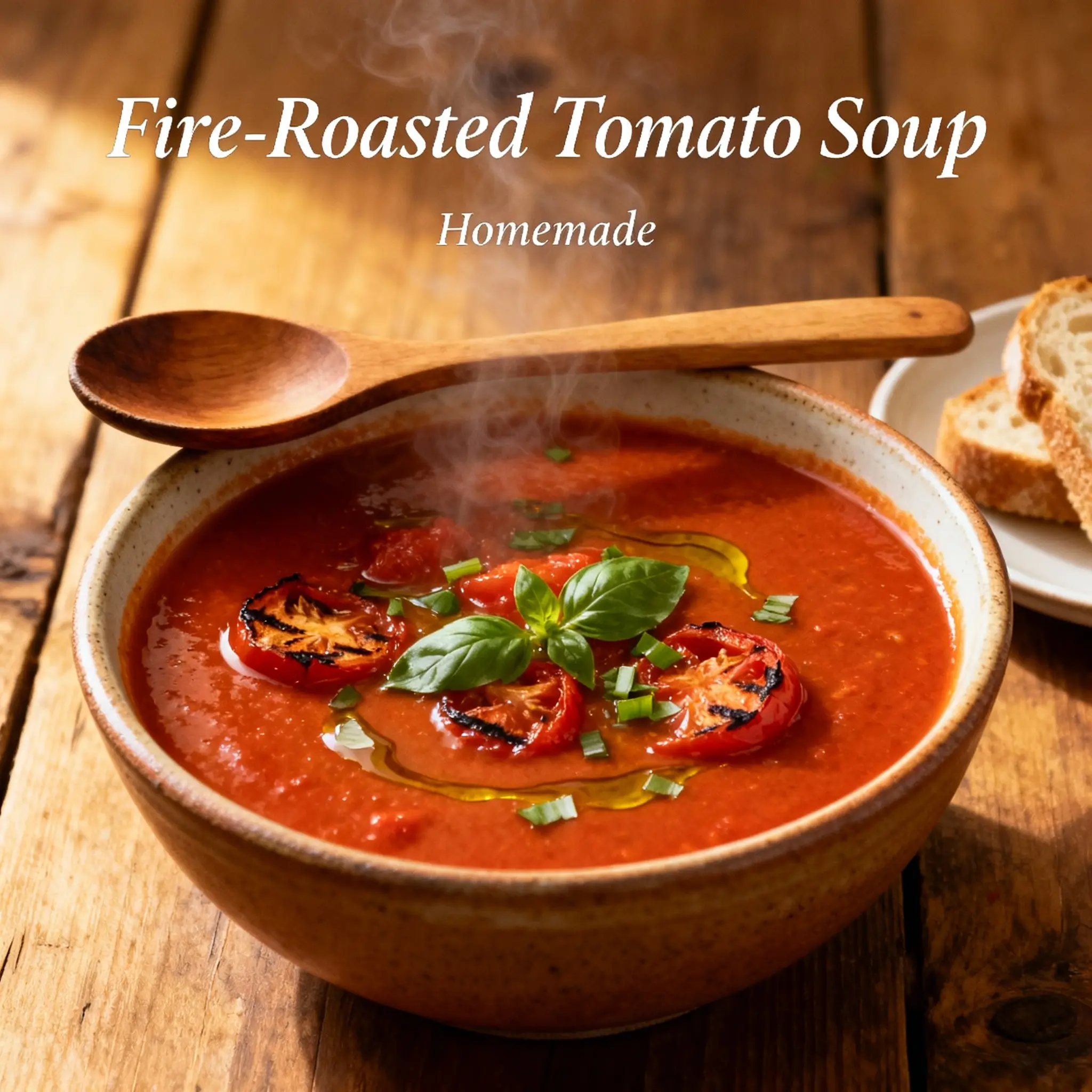
Fire-Roasted Tomato Soup: A Smoky, Creamy Delight
The History of Fire-Roasted Tomato Soup
Tomato soup has long been a staple in American kitchens, with roots tracing back to the late 19th century when canned tomatoes became widely available. However, the concept of fire-roasting vegetables is far older and deeply rooted in Latin American culinary traditions, particularly in Mexican and Southwestern cuisines. The technique of charring tomatoes over an open flame or on a comal enhances their natural sweetness while adding a deep, smoky complexity that transforms the flavor profile entirely.
The evolution into fire-roasted tomato soup began as home cooks and chefs alike sought more robust and nuanced versions of the classic creamy tomato soup. By incorporating fire-roasted canned tomatoes or roasting fresh tomatoes at high heat, this variation emerged as a bolder, more aromatic alternative. It gained popularity in the 1990s and 2000s with the rise of gourmet grocery stores and artisanal food products, especially after brands like Muir Glen introduced fire-roasted tomatoes in BPA-free cans, making the ingredient accessible to everyday cooks.
Today, fire-roasted tomato soup graces menus at upscale bistros and cozy cafes, often served with a swirl of cream, croutons, or alongside a grilled cheese sandwich—a timeless pairing beloved across generations. Its rich heritage blends Old World preservation techniques with modern comfort food sensibilities, making it not just a meal but a culinary experience steeped in tradition and innovation.
Ingredients Breakdown: What Makes This Soup Special
The magic of fire-roasted tomato soup lies not only in its preparation method but also in the careful selection and balance of ingredients. Each component plays a vital role in building layers of flavor, texture, and aroma. Let’s break them down:
- Fire-Roasted Tomatoes: The star of the show. Whether you use canned fire-roasted diced tomatoes or roast your own, these bring a distinct smokiness that regular canned tomatoes simply can’t match. Look for varieties seasoned lightly with garlic and onions for added depth.
- Onion and Garlic: These aromatics form the flavor base. Yellow onion provides sweetness when sautéed, while fresh garlic adds pungency and warmth.
- Carrots and Celery (Optional): Often part of a mirepoix, they add subtle earthiness and body to the soup. Carrots also contribute natural sugars that balance acidity.
- Olive Oil or Butter: Used to sauté the vegetables, fat carries flavor and helps release essential oils from herbs and spices. Olive oil adds fruitiness; butter lends richness.
- Fresh Herbs: Thyme and basil are commonly used. Thyme offers an earthy note, while fresh basil added at the end brightens the dish with a sweet, peppery finish.
- Dry White Wine (Optional): Deglazing the pot with a splash of white wine introduces acidity and complexity, lifting the overall flavor profile.
- Vegetable or Chicken Stock: Adds savory depth and adjusts consistency. Low-sodium broth is recommended so you can control the salt level.
- Heavy Cream or Half-and-Half (Optional): For a creamy version. Coconut milk makes a great dairy-free alternative with a subtle tropical undertone.
- Smoked Paprika or Chipotle Powder: Enhances the smoky character already present in the fire-roasted tomatoes. Use sparingly—it packs heat!
- Sugar or Honey (Optional): A pinch balances the natural tartness of tomatoes, especially if using very acidic varieties.
- Salt and Black Pepper: Essential seasonings that elevate all other flavors.
Together, these ingredients create a harmonious blend where no single element overpowers—just a velvety, smoky, soul-warming bowl of comfort.
Step-by-Step Recipe: How to Make Fire-Roasted Tomato Soup from Scratch
- Gather Your Ingredients: Prepare 28 oz (about 800g) of fire-roasted diced tomatoes (canned or freshly roasted), 1 large yellow onion (diced), 3 cloves garlic (minced), 1 medium carrot (finely chopped), 1 celery stalk (chopped), 2 tbsp olive oil, 1 tsp fresh thyme leaves (or ½ tsp dried), ¼ cup dry white wine (optional), 3 cups low-sodium vegetable stock, ½ cup heavy cream (or coconut milk), ½ tsp smoked paprika, salt and pepper to taste, and 2–3 fresh basil leaves.
- Sauté the Aromatics: In a large heavy-bottomed pot or Dutch oven, heat olive oil over medium heat. Add onions, carrots, and celery. Cook, stirring occasionally, until softened and translucent—about 8–10 minutes. Avoid browning; we want to build sweetness, not caramelization yet.
- Add Garlic and Spices: Stir in minced garlic, thyme, and smoked paprika. Cook for 1 minute until fragrant—be careful not to burn the garlic.
- Deglaze (Optional but Recommended): Pour in the white wine and stir, scraping up any browned bits from the bottom of the pan. Let it simmer for 2–3 minutes until reduced by half. This step intensifies flavor and removes alcohol while preserving acidity.
- Incorporate Tomatoes: Add the fire-roasted tomatoes with all their juices. Stir well and let the mixture cook for 5–7 minutes, allowing the flavors to meld and the liquid to reduce slightly.
- Pour in the Broth: Add vegetable stock and bring the soup to a gentle boil. Reduce heat and simmer uncovered for 25–30 minutes, stirring occasionally. This slow simmer deepens the flavor and thickens the soup naturally.
- Blend Until Smooth: Remove from heat. Using an immersion blender directly in the pot, puree the soup until completely smooth. Alternatively, carefully transfer in batches to a countertop blender—never blend hot liquids without venting the lid and covering with a towel to prevent explosions.
- Stir in Cream and Basil: Return the pot to low heat. Stir in heavy cream (or coconut milk) and fresh basil. Warm through for 3–4 minutes but do not boil, as high heat may cause dairy to curdle.
- Season to Perfection: Taste and adjust seasoning. Add salt, black pepper, a pinch of sugar or honey if needed, and another dash of smoked paprika for extra smokiness.
- Serve Immediately: Ladle into warm bowls. Garnish with a swirl of cream, fresh herbs, croutons, or grated Parmesan cheese.
Pro Tips for the Best Fire-Roasted Tomato Soup
- Use High-Quality Fire-Roasted Tomatoes: Brands like Muir Glen Organic Fire-Roasted Diced Tomatoes are consistently praised for their authentic charred flavor and lack of metallic aftertaste.
- Rinse Canned Tomatoes? Not Usually—But Consider It: Some find canned tomatoes too salty or metallic. If concerned, rinse briefly—but know you’ll lose some flavorful juices. Better: choose no-salt-added versions.
- Roast Your Own Tomatoes for Ultimate Flavor: Slice Roma or plum tomatoes in half, drizzle with olive oil, sprinkle with salt, garlic powder, and smoked paprika, then broil on high for 20–25 minutes until blistered and blackened in spots. Let cool before blending into the soup.
- Don’t Skip the Sauté Step: Building flavor starts early. Take time to soften the vegetables properly—this creates a richer base than rushing.
- Simmer Slowly: A longer, gentler simmer extracts maximum flavor and allows the soup to thicken naturally without needing flour or cornstarch.
- Balance Acidity: If your soup tastes too sharp, add a small pinch of baking soda (1/8 tsp)—it neutralizes acid without altering flavor. Or use a touch of sugar, maple syrup, or even a grated apple.
- Blend While Hot (Safely): Heat helps achieve silkier texture. Always vent the blender lid and cover with a kitchen towel when blending hot liquids.
- Cream Last: Adding cream at the end preserves its richness and prevents separation. For vegan options, cashew cream or oat milk work beautifully.
- Chill Before Reheating for Better Flavor: Like many soups, fire-roasted tomato soup tastes even better the next day as flavors marry overnight in the fridge.
- Freeze for Later: Cool completely and freeze in airtight containers for up to 3 months. Omit cream before freezing; stir it in when reheating.
Variations and Customizations
One of the greatest strengths of fire-roasted tomato soup is its versatility. Here are several creative ways to customize it to suit dietary needs, seasonal ingredients, or global flavor profiles:
1. Vegan Fire-Roasted Tomato Soup
Omit dairy and use full-fat coconut milk or blended silken tofu for creaminess. Nutritional yeast adds a cheesy umami note. Garnish with roasted chickpeas for crunch.
2. Spicy Chipotle Version
Add 1–2 canned chipotle peppers in adobo sauce (minced) along with 1 tsp of the adobo liquid. Adjust to heat preference. Perfect for cold winter nights or Cinco de Mayo celebrations.
3. Roasted Red Pepper Addition
Blend in 1 cup of roasted red peppers (jarred or homemade) for a sweeter, fruitier twist. This variation pairs exceptionally well with goat cheese swirls.
4. Italian-Inspired Minestrone Style
Add cooked pasta, white beans, zucchini, and spinach during the last 10 minutes of cooking. Finish with grated Pecorino Romano and a drizzle of pesto.
5. Grilled Cheese Croutons
Instead of plain bread, make mini grilled cheese sandwiches, cube them, and float on top. Melty cheese + tomato = perfection.
6. Mediterranean Twist
Infuse with oregano, Kalamata olives, sun-dried tomatoes, and feta cheese. Serve with a dollop of tzatziki instead of sour cream.
7. Curry-Spiced Tomato Soup
Add 1 tbsp curry powder or garam masala during sautéing. Stir in a splash of coconut milk and garnish with cilantro and lime zest for an Indian-inspired take.
8. Smoky Gouda or Cheddar Blend
After blending, stir in shredded smoked Gouda or sharp cheddar until melted. Creates a luxurious, melty texture reminiscent of fondue.
9. Herb-Infused Oil Garnish
Drizzle with basil-infused olive oil, chili oil, or garlic confit oil for restaurant-quality presentation and elevated flavor.
10. Cold Version – Chilled Gazpacho Fusion
Thin the soup with ice water or tomato juice, chill thoroughly, and serve cold with cucumber, bell pepper, and avocado dice. A refreshing summer option.
Health Considerations and Nutritional Value
Fire-roasted tomato soup can be both nutritious and indulgent, depending on how it’s prepared. Here’s a breakdown of its health benefits and considerations:
Nutritional Highlights (Per Serving – Approximate, Cream-Free Version)
- Calories: ~150–200 (varies with cream and oil)
- Protein: 4–6g
- Fat: 7–10g (mostly unsaturated if using olive oil)
- Carbohydrates: 18–22g
- Fiber: 4–5g
- Sodium: 400–700mg (lower if using no-salt-added tomatoes and broth)
- Vitamin C: Over 50% DV
- Vitamin A: Over 60% DV (from tomatoes and carrots)
- Lycopene: High levels—an antioxidant linked to heart health and cancer prevention. Cooking increases lycopene bioavailability.
- Potassium: Supports blood pressure regulation
Health Benefits
- Rich in Antioxidants: Tomatoes contain lycopene, beta-carotene, and vitamin C—all powerful antioxidants that combat oxidative stress.
- Supports Heart Health: Lycopene and potassium contribute to healthy blood pressure and reduced inflammation.
- Low in Saturated Fat: Especially in vegan or low-cream versions, making it heart-friendly.
- Dietary Fiber: Promotes digestive health and satiety, helping with weight management.
- Immune Boosting: Garlic and vitamin C support immune function.
Dietary Adaptability
- Gluten-Free: Naturally gluten-free—ensure broth and canned goods are certified GF if needed.
- Vegan/Vegetarian: Easily adaptable by omitting animal products and using plant-based fats and milks.
- Keto-Friendly Option: Reduce carrots and onions, increase healthy fats (avocado, olive oil), and use low-carb thickeners like xanthan gum.
- Low-Sodium Diets: Choose no-salt-added tomatoes and broth; season with herbs instead.
Considerations
- Canned Tomatoes and BPA: Some cans are lined with BPA, which may leach into food. Opt for BPA-free brands or glass jars when possible.
- Cream Increases Saturated Fat: Limit heavy cream for cardiovascular concerns. Substitute with Greek yogurt or evaporated skim milk for lower fat.
- Avoid Excessive Salt: Store-bought fire-roasted tomatoes can be high in sodium—always check labels.
Complete Ingredients List
- 2 tbsp olive oil
- 1 large yellow onion, diced
- 1 medium carrot, finely chopped
- 1 celery stalk, chopped
- 3 garlic cloves, minced
- 1 tsp fresh thyme leaves (or ½ tsp dried)
- ½ tsp smoked paprika
- ¼ cup dry white wine (optional)
- 1 (28 oz) can fire-roasted diced tomatoes
- 3 cups low-sodium vegetable broth (or chicken broth)
- Salt and freshly ground black pepper, to taste
- ½ tsp sugar or honey (optional)
- ½ cup heavy cream, half-and-half, or coconut milk
- 3–4 fresh basil leaves, chopped
- Garnishes: extra cream, croutons, grated Parmesan, fresh herbs, chili flakes
Detailed Directions
- Prep Vegetables: Dice onion, chop carrot and celery, mince garlic, and have all ingredients ready near the stove (mise en place).
- Heat Oil: In a large pot over medium heat, add olive oil. Once shimmering, add onion, carrot, and celery.
- Sauté Base: Cook for 8–10 minutes, stirring occasionally, until soft and translucent.
- Add Garlic and Spices: Stir in garlic, thyme, and smoked paprika. Cook 1 minute until fragrant.
- Optional Wine Deglaze: Pour in white wine, scrape the bottom, and simmer until mostly evaporated (~2–3 minutes).
- Add Tomatoes: Pour in fire-roasted tomatoes with juice. Stir and simmer 5 minutes.
- Add Broth: Pour in vegetable broth. Bring to a boil, then reduce to a simmer.
- Simmer: Cook uncovered for 25–30 minutes, stirring occasionally.
- Blend: Use an immersion blender to purée until smooth. For countertop blenders: cool slightly, blend in batches with vented lid covered by towel.
- Return to Heat: Place pot back on low. Stir in cream and basil. Warm gently for 3–4 minutes.
- Season: Add salt, pepper, and optional sugar. Adjust smoked paprika for smokiness.
- Serve: Ladle into bowls. Drizzle with cream, sprinkle with herbs, and serve hot.
Frequently Asked Questions (FAQ)
Can I make fire-roasted tomato soup without cream?
Yes! Omit cream for a lighter version. For creaminess, blend in ¼ cup raw cashews (soaked), cooked white beans, or mashed potato. Coconut milk is excellent for dairy-free richness.
Can I use fresh tomatoes instead of canned?
Absolutely. Use 2 lbs ripe Roma or plum tomatoes. Halve, toss with oil, salt, and garlic, then broil at 450°F until charred (20–25 mins). Roasting intensifies flavor and mimics fire-roasting.
How long does fire-roasted tomato soup last in the fridge?
Store in an airtight container for up to 5 days. Flavors deepen over time. Reheat gently on the stove to preserve texture.
Can I freeze this soup?
Yes, but omit cream before freezing. Freeze for up to 3 months. Thaw overnight in fridge and reheat on stove, stirring in cream at the end.
Why is my soup too acidic?
Tomatoes vary in acidity. Balance with a pinch of sugar, honey, or 1/8 tsp baking soda. Simmering longer also mellows acidity.
Can I make it in a slow cooker?
Yes. Sauté vegetables first, then transfer to slow cooker with remaining ingredients (except cream). Cook on low 6–8 hours or high 3–4. Blend and stir in cream before serving.
Is fire-roasted tomato soup gluten-free?
Yes, if using certified gluten-free broth and checking canned tomato labels. Always verify ingredients if celiac or highly sensitive.
What can I serve with fire-roasted tomato soup?
Classic pairings include grilled cheese sandwiches, crusty bread, garlic knots, or a crisp green salad. Also excellent with quinoa, roasted veggies, or as a side to baked fish.
Summary
Fire-roasted tomato soup combines the deep, smoky essence of charred tomatoes with a velvety, herb-kissed broth for a comforting dish that’s both rustic and refined. Packed with antioxidants and endlessly customizable, it’s a nourishing favorite for any season.